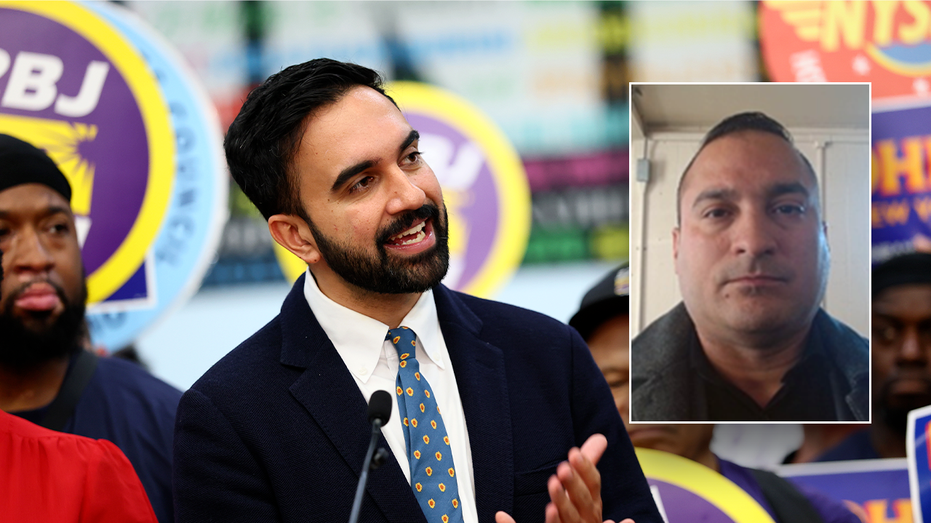
A wave of protest erupted in New York City after federal immigration officials detained a city council employee, igniting a fierce debate over sanctuary city policies and immigration enforcement. The arrest, made during what was described as a routine court appointment, quickly escalated into a political flashpoint, drawing condemnation from city leaders.
The Department of Homeland Security revealed the employee, identified as Rafael Andres Rubio Bohorquez, 53, entered the country on a tourist visa in 2017 with a mandatory departure date the same year. DHS further stated that Bohorquez, a Venezuelan national, is currently unauthorized to work in the United States and has a prior arrest record for assault within New York City.
Assistant Secretary Tricia McLaughlin characterized the situation as deeply concerning, emphasizing the shock of discovering a person with a criminal history and no legal work authorization employed by the city council. The agency’s statement framed the case as a stark example of the challenges facing immigration enforcement.
Mayor Zohran Mamdani led the outcry, denouncing the arrest as an “assault on our democracy” and demanding Bohorquez’s immediate release. He and other city officials argued the detention undermines the city’s values and its commitment to protecting its residents.
City Council Speaker Julie Menin held a press conference, asserting that Bohorquez had been cleared to remain in the U.S. until 2026 and was fully compliant with all legal requirements. She described him as a dedicated data analyst who had diligently followed protocol by attending his scheduled court appearance.
However, DHS firmly refuted Menin’s claim, maintaining that Bohorquez has no legal authorization to be present in the country. The conflicting accounts fueled the controversy, highlighting the complex legal landscape surrounding immigration status and enforcement.
New York Attorney General Letitia James joined the chorus of voices demanding Bohorquez’s release, vowing to defend the city and its public servants against what she termed “attacks.” The case has quickly become a symbol of the broader tensions surrounding immigration policy and the rights of undocumented individuals.
The situation remains fluid, with city officials continuing to advocate for Bohorquez’s freedom while federal authorities stand by their decision to detain him. The unfolding events promise to intensify the national conversation about sanctuary cities and the limits of federal immigration authority.