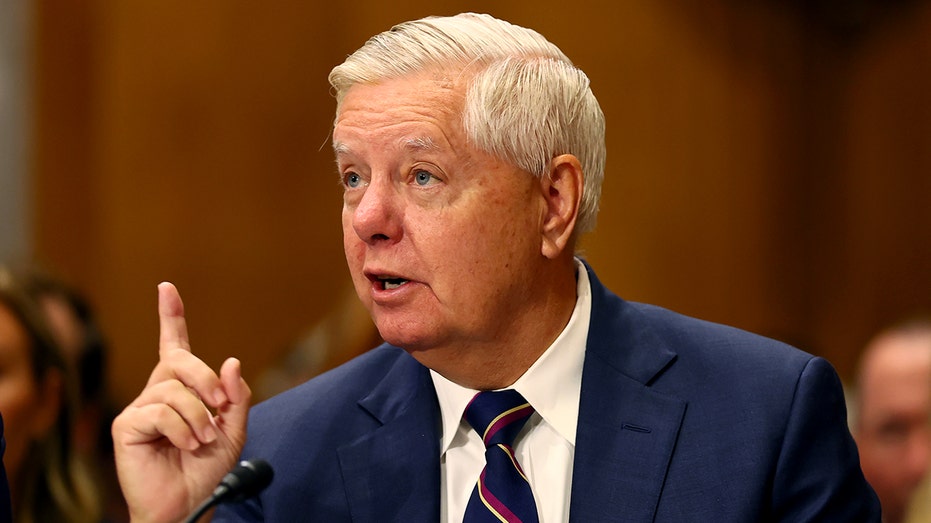
A stark call for action echoed from Washington this week, as Senator Lindsey Graham asserted the United States should employ “any means necessary” to halt the escalating violence against Iranian citizens. His statement arrived amidst growing international concern over the brutal suppression of protests within the Islamic Republic, a crackdown leaving a trail of bloodshed and despair.
The protests themselves erupted from a deep well of frustration, a desperate cry against decades of oppression and religious extremism. Citizens are demanding fundamental change, risking everything to challenge a regime accused of systematic human rights abuses and stifling dissent with ruthless efficiency.
Initial reports suggested a possible easing of the violence, with former President Trump stating he’d received assurances that killings and executions had ceased. These claims, however, were swiftly challenged.
Senator Graham, known for his hawkish stance on Iran, vehemently disputed the reports of de-escalation. He painted a grim picture, asserting that the regime’s violence was not only continuing but intensifying, with the death toll rising rapidly.
Former President Trump had previously voiced strong support for the Iranian protesters, urging them to seize control of their institutions and promising imminent assistance. His message, punctuated by the slogan “Make Iran Great Again,” signaled a willingness to confront the Iranian leadership.
Graham elaborated on what that assistance might entail, envisioning a multi-pronged offensive. He described a strategy of overwhelming force – military, cyber, and psychological – designed to cripple the regime’s ability to perpetrate violence.
The core of Graham’s proposal centers on dismantling the infrastructure that enables the suppression of the Iranian people and holding accountable those directly responsible for the bloodshed. It’s a vision of decisive intervention, aimed at fundamentally altering the power dynamics within Iran.
The situation remains volatile and fraught with risk. The potential for escalation is significant, and the consequences of direct intervention are unpredictable. Yet, the cries for help from within Iran continue to resonate, demanding a response from the international community.