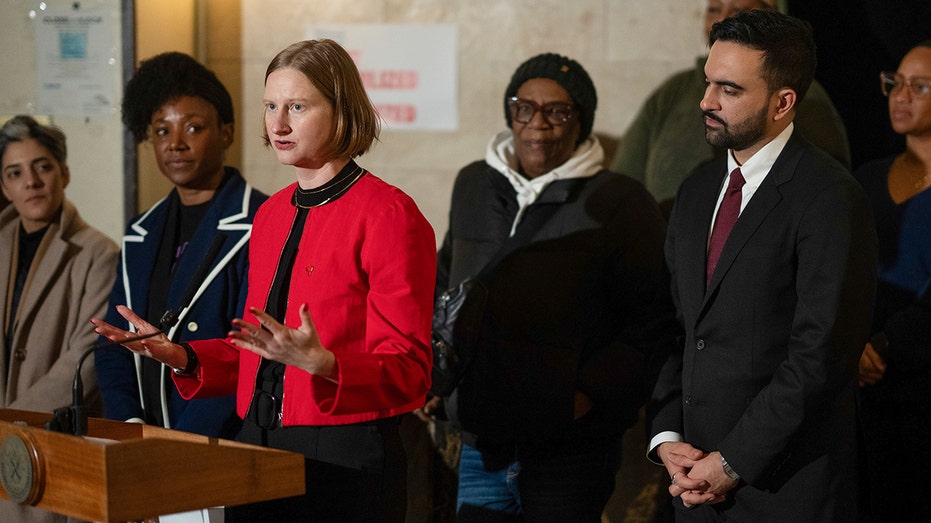
A seismic shift is brewing in New York, poised to redefine the boundaries of federal power. Governor Kathy Hochul has thrown her weight behind legislation that would empower state residents to directly challenge Immigration and Customs Enforcement (ICE) agents in court, alleging violations of their constitutional rights.
The governor’s announcement, delivered during her State of the State address, wasn’t simply a policy proposal – it was a declaration. She envisions a system where ICE agents are held accountable for actions exceeding their authority, a safeguard against potential abuse of power. “Power does not justify abuse,” she asserted, framing the issue as a fundamental right to legal recourse.
This legislative push stems from a perceived gap in New York law. Currently, residents can sue state and local officials for rights violations, but no such avenue exists for challenging federal agents. State Senator Brad Hoylman-Sigal and Assemblymember Micah Lasher initially proposed measures to bridge this legal void, citing the need to protect communities from overreach.
The proposed legislation draws upon Title 42, Section 1983 of the U.S. Code, a legal tool already used to hold state and local actors accountable. Advocates argue it’s a necessary step to address what they describe as a pattern of ICE tactics that infringe upon civil liberties. The debate isn’t abstract; it’s fueled by real-world concerns within New York communities.
New York wouldn’t be alone in enacting such a law. California, Massachusetts, and New Jersey have already established similar frameworks, allowing residents to pursue legal action against federal officials. This growing trend signals a broader national conversation about the limits of federal authority and the protection of individual rights.
Beyond the right to sue, Hochul is also proposing stricter regulations on ICE operations. These include a requirement for judicial warrants before conducting raids in sensitive locations – schools, churches, and hospitals – places where communities should feel safe and protected. This proposal directly responds to a recent reversal by the previous administration, which had loosened restrictions on such raids.
The governor has also firmly stated that New York will not dedicate state resources to assist in federal immigration raids targeting individuals not accused of serious crimes. This represents a clear demarcation, signaling a commitment to prioritizing local concerns over federal enforcement priorities.
However, the Department of Homeland Security vehemently opposes these measures, characterizing them as an unfair attack on law enforcement. A spokesperson accused Hochul of “smearing” agents who are simply upholding the law and risking their lives to remove “violent criminals.” They also claim an increase in threats against these officers.
The debate has reached a fever pitch following a tragic incident in Minneapolis, where Renee Nicole Good, a U.S. citizen, was fatally shot by an ICE agent during an enforcement action. The shooting sparked widespread protests and ignited calls for justice, intensifying scrutiny of ICE’s practices.
While Democrats and local residents have condemned the shooting and demanded accountability, the previous administration and Republican lawmakers have defended the agent’s actions as justified. This stark division underscores the deeply polarized nature of the debate surrounding immigration enforcement and the use of force.
Adding to the tension, a second ICE-involved shooting occurred in Minneapolis just days after the first, prompting the city’s mayor to demand the agency’s complete withdrawal from the state. Investigations are underway, but the events have laid bare the raw emotions and escalating concerns surrounding ICE’s presence in communities across the nation.
The unfolding situation in New York, and the parallel events in Minneapolis, represent more than just legal battles. They are a reflection of a fundamental struggle over power, accountability, and the very definition of justice in a rapidly changing nation.