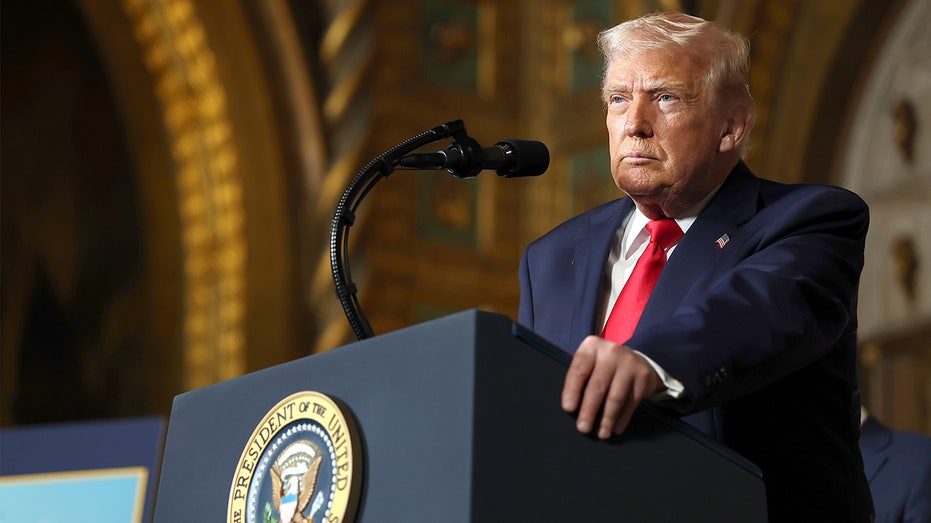
A sweeping vision for healthcare reform was presented Thursday, centered on a direct financial shift to empower individuals. The proposal urges Congress to translate the outlined principles into legislation, aiming to fundamentally alter how Americans access and pay for medical care.
At the heart of the plan lies a commitment to lowering prescription drug costs. It specifically champions the “most favored nations” drug pricing model, demanding pharmaceutical companies align American prices with those found in other developed nations – a directive initially pursued through a May executive order.
Transparency is another key pillar, with a call to mandate clear, upfront pricing from healthcare providers and insurers. The intention is to eliminate hidden fees and empower patients with the information needed to make informed decisions about their care.
A significant departure from current practice involves redirecting taxpayer funds. Instead of subsidizing insurance companies, the proposal advocates for direct payments to individuals, allowing them to purchase their own healthcare plans.
The concept, described as unprecedented, envisions a system where individuals receive funds directly from the government to spend on healthcare as they see fit. Details regarding the logistical implementation of this direct distribution remain under discussion.
The administration acknowledges the need for congressional collaboration to refine the distribution mechanism. Officials have indicated a willingness to work with lawmakers to establish a viable pathway for delivering funds directly to the American people.
While the White House frames this as the “most comprehensive and bold agenda” for lowering healthcare costs, a contrasting effort is already underway in the Senate. Lawmakers are preparing to vote on extending subsidies for the Affordable Care Act, a measure recently passed by the House.
This impending Senate vote highlights a clear divergence in approaches to healthcare affordability. The extension of existing subsidies represents a continuation of the current system, while the newly presented plan proposes a radical restructuring of the financial landscape.