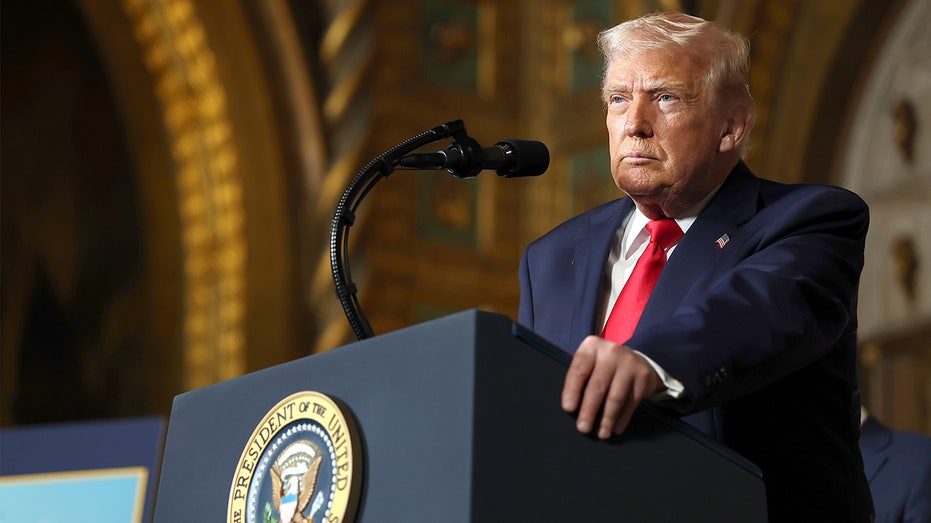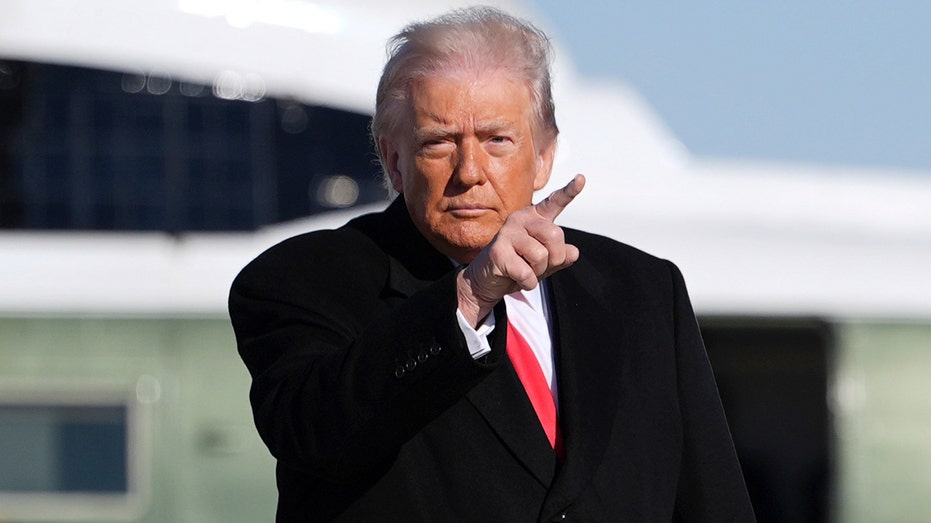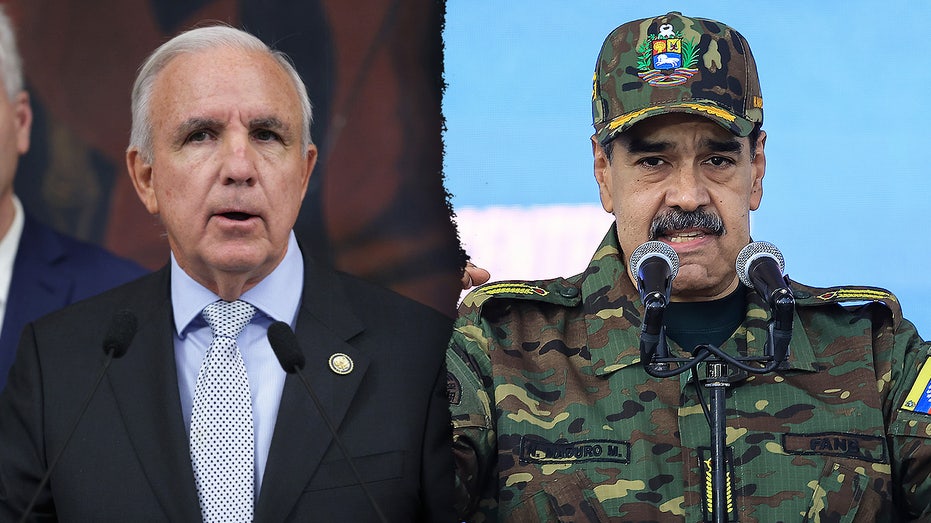
A chilling echo of the past spurred Representative Carlos Gimenez to action. Having escaped the iron grip of Fidel Castro’s Cuba as a child, he now prepares to introduce a congressional resolution – a formal commendation of President Donald Trump for a daring operation that removed Nicolás Maduro from power.
Maduro, the Venezuelan dictator, now finds himself in a New York prison, a stark contrast to the years he spent oppressing his people. Gimenez, a Republican from Florida, describes the operation led by Trump and the U.S. military as “extraordinary,” particularly given the absence of American casualties. It was a feat he felt compelled to recognize.
The resolution isn’t simply praise; it’s a statement. It specifically acknowledges Trump’s courage in authorizing “Operation Absolute Resolve,” the mission that apprehended Maduro and dismantled the leadership of his criminal network. It also honors the Armed Forces, the intelligence community, and the Department of Justice for their roles in the success.
This operation is being framed as the largest demonstration yet of what’s being called the “Donroe Doctrine” – a modern reimagining of the Monroe Doctrine of 1823. This updated policy asserts the Western Hemisphere as a critical security zone for the United States, signaling a willingness to directly confront hostile governments within the region.
Gimenez believes decisive action was the only path forward. He points to the existing $50 million bounty on Maduro’s head – $25 million offered by the current administration – as evidence that the threat was recognized, but ultimately, it was Trump who authorized the enforcement of the arrest warrant and physically secured the dictator’s capture.
The impact of Maduro’s arrest, Gimenez argues, is “seismic.” He believes authoritarian regimes worldwide are now reassessing their positions, forced to acknowledge the potential consequences of their actions. The message is clear: the United States is prepared to defend its interests and promote freedom in the Western Hemisphere.
The resolution meticulously details the crimes Maduro and his wife, Cilia Flores, are accused of – narcoterrorism, cocaine importation, and conspiracy to possess machine guns. It also highlights the systematic dismantling of Venezuelan democracy under Maduro’s rule, including the 15-year ban imposed on opposition leader María Corina Machado.
Thousands of extrajudicial killings, the torture of political opponents, and the mass displacement of Venezuelans fueled a humanitarian crisis of unprecedented scale. Gimenez’s resolution underscores the urgency of Trump’s intervention, framing it as a necessary response to a geographically proximate and escalating threat.
The resolution explicitly expresses solidarity with the Venezuelan people and supports a swift transition to free and fair elections, aiming to restore the democratic institutions that Maduro systematically destroyed. It’s a commitment to a future where Venezuelans can determine their own destiny.
However, Gimenez cautions that support for such strong action isn’t universal within Congress. He reveals the existence of lawmakers who actively defend authoritarian regimes, attempting to obstruct efforts to promote democracy and freedom in the Western Hemisphere. These voices, though not a majority, remain a persistent challenge.