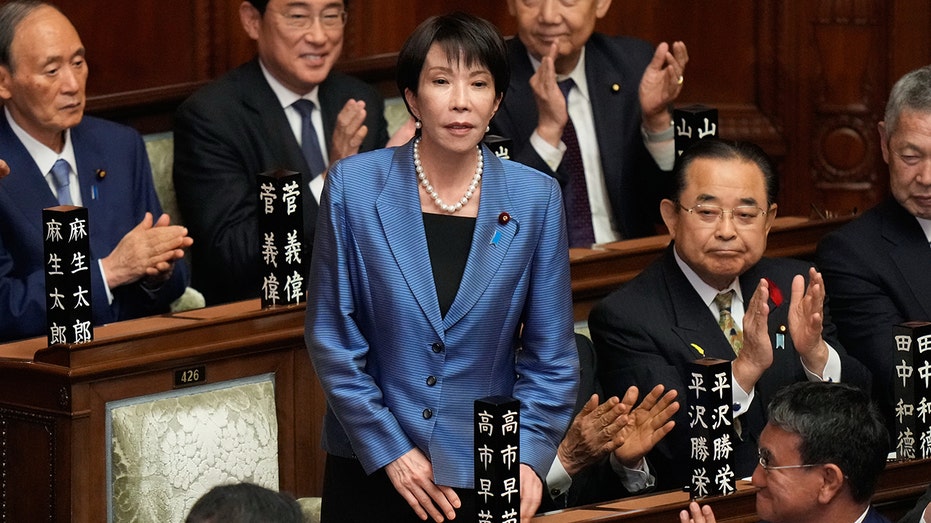
Japan’s Prime Minister Sanae Takaichi is poised to dissolve the nation’s powerful lower house of Parliament, triggering a snap election. This bold move comes as she enjoys remarkably high approval ratings, a strategic gamble to solidify support for her ambitious agenda.
The decision allows Takaichi to directly appeal to voters for a renewed mandate, particularly concerning her economic and security priorities. Her Liberal Democratic Party, alongside a new coalition partner, currently holds a precarious majority, making a stronger parliamentary position crucial.
Takaichi’s ascent to Prime Minister in October marked a historic moment – she is Japan’s first female leader. However, she’s also described as a staunch conservative, a figure who doesn’t shy away from challenging established norms.
Central to Takaichi’s platform is a significant strengthening of Japan’s defense capabilities. She has consistently voiced concerns about China’s growing influence and advocates for revisions to the constitution, potentially expanding the role of the Self-Defense Forces.
With approval ratings hovering around 70%, Takaichi believes a snap election offers a prime opportunity to expand her party’s influence in Parliament. Senior party officials have confirmed her intention to act “soon” after Parliament reconvenes later this month.
The current coalition’s narrow majority, a result of losses in the previous election, underscores the urgency of this move. Takaichi aims to secure a more comfortable margin, allowing for smoother governance and legislative progress.
Opposition lawmakers have already voiced criticism, arguing that an early election will disrupt crucial parliamentary debate over the national budget. This budget, vital for addressing pressing economic concerns, requires swift approval.
Reports suggest Takaichi intends to dissolve the lower house on January 23rd, potentially setting the election date for February 8th. This timeline would allow for a rapid campaign and a quick return to legislative business.
Takaichi’s vision includes proactive fiscal spending and a substantial acceleration of military modernization, pursued in collaboration with her new coalition partner, the Japan Innovation Party. This partnership represents a shift in the political landscape.
The formation of this new coalition followed the withdrawal of the Komeito party, stemming from disagreements over Takaichi’s ideological stance and her proposed anti-corruption reforms. This realignment highlights the challenges of maintaining political consensus.
Recent diplomatic efforts, including a summit with South Korean President Lee Jae Myung, demonstrate Takaichi’s commitment to strengthening regional ties. However, she simultaneously navigates rising tensions with China, particularly following her remarks on Taiwan.
A decisive victory in the snap election would empower Takaichi to more effectively pass the record 122.3 trillion yen ($770 billion) budget approved by her Cabinet. This budget prioritizes combating inflation, supporting vulnerable households, and stimulating economic growth.
Takaichi is known for her unwavering nationalistic views and conservative positions on social issues. She is actively seeking to win back conservative voters who have been drawn to emerging populist parties in recent elections.
Her strategy centers on appealing to a base that values traditional values and a strong national identity, a calculated move in a rapidly changing political climate.
The coming weeks will be critical as Takaichi makes her case to the Japanese electorate, seeking a mandate to reshape the nation’s future and assert its role on the global stage.