A chilling discovery in the Saskatchewan landscape has sent ripples of concern through the wildlife conservation community. Two whooping cranes, majestic members of a critically endangered flock, have tested positive for a highly pathogenic strain of avian flu – the first confirmed cases in this wild population.
These aren’t just any birds. Whooping cranes are Canada’s tallest birds, iconic symbols of the nation’s wild spaces, and a testament to decades of dedicated conservation efforts. With only around 550 individuals remaining in the wild, each life represents an irreplaceable piece of a fragile future.
The first alarm was raised by a silent signal. A satellite tracker, attached to a young female crane born in Wood Buffalo National Park, stopped moving near Meacham, east of Saskatoon. Biologists quickly located the carcass, confirming their worst fears.
Weeks later, a birder stumbled upon a second deceased crane, 100 kilometers away in Leask. Subsequent testing confirmed the presence of the deadly H5N1 virus in both birds, a strain far more dangerous than the low-pathogenic forms commonly found in wild populations.
The implications are profound. This outbreak underscores the far-reaching impact of avian flu, demonstrating its ability to threaten even the rarest and most carefully protected species. Similar outbreaks in Europe and the Middle East have triggered devastating mortality events in other crane populations.
Researchers are now working urgently to determine if the virus has spread further within the flock. Thankfully, initial reports from Texas, the cranes’ wintering grounds, indicate no signs of infection among the birds currently migrating south.
These magnificent creatures undertake an incredible journey each year, a 4,000-kilometer trek from their breeding grounds in the Northwest Territories, through the Canadian Prairies, to their winter refuge in Texas. They can live for up to 30 years, and their summer months are spent near Saskatoon, raising their young and preparing for the long flight.
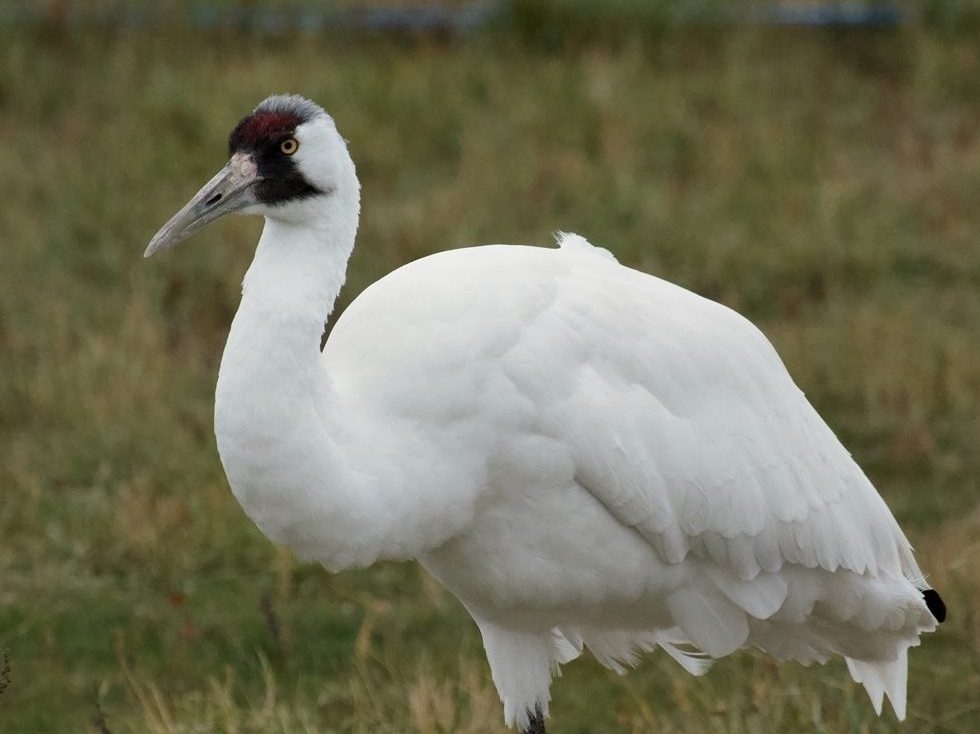
Whooping cranes are a breathtaking sight – swan-white with striking red crests, standing up to five feet tall. Their wings, tipped with black feathers visible only in flight, carry them across vast distances. They are, as one biologist described, “almost prehistoric” in their appearance, a living link to a wilder past.
Their story is one of near-extinction and remarkable recovery. Once numbering around 10,000 before European colonization, relentless hunting and habitat loss decimated their numbers, plummeting to a mere 14 individuals by the 1940s.
A turning point came in the 1950s, with the implementation of protective legislation in both Canada and the United States. This collaborative effort, focused on safeguarding migratory birds and their habitats, sparked a slow but steady resurgence, a beacon of hope for a species on the brink.
The intricate courtship dances of these birds, performed to attract mates during the breeding season, are a captivating spectacle. These displays, and the lives they represent, are now facing a new and formidable threat.