A chilling wave of coerced confessions is sweeping across Iran, broadcast on state television as a desperate attempt to quell mounting unrest. Over the past two weeks, at least 97 videos have surfaced, depicting detained protesters seemingly repenting for their actions. These broadcasts unfold against the backdrop of the longest internet blackout in Iranian history, silencing independent voices and amplifying the regime’s narrative.
The videos themselves are deeply unsettling. Detainees, often with their faces blurred and hands bound, deliver statements of remorse. Ominous music underscores the proceedings, while selectively edited footage portrays attacks on security forces. Human rights groups are sounding the alarm, asserting these confessions are not voluntary, but extracted under immense duress – a terrifying prelude to potential torture and execution.
This tactic is not new, but the scale is unprecedented. Officials within the National Council of Resistance of Iran describe it as a “threadbare” strategy, repeatedly employed to justify crackdowns and suppress dissent. Protesters are dragged before cameras, facing the explicit threat of brutal consequences if they refuse to comply with the regime’s demands.
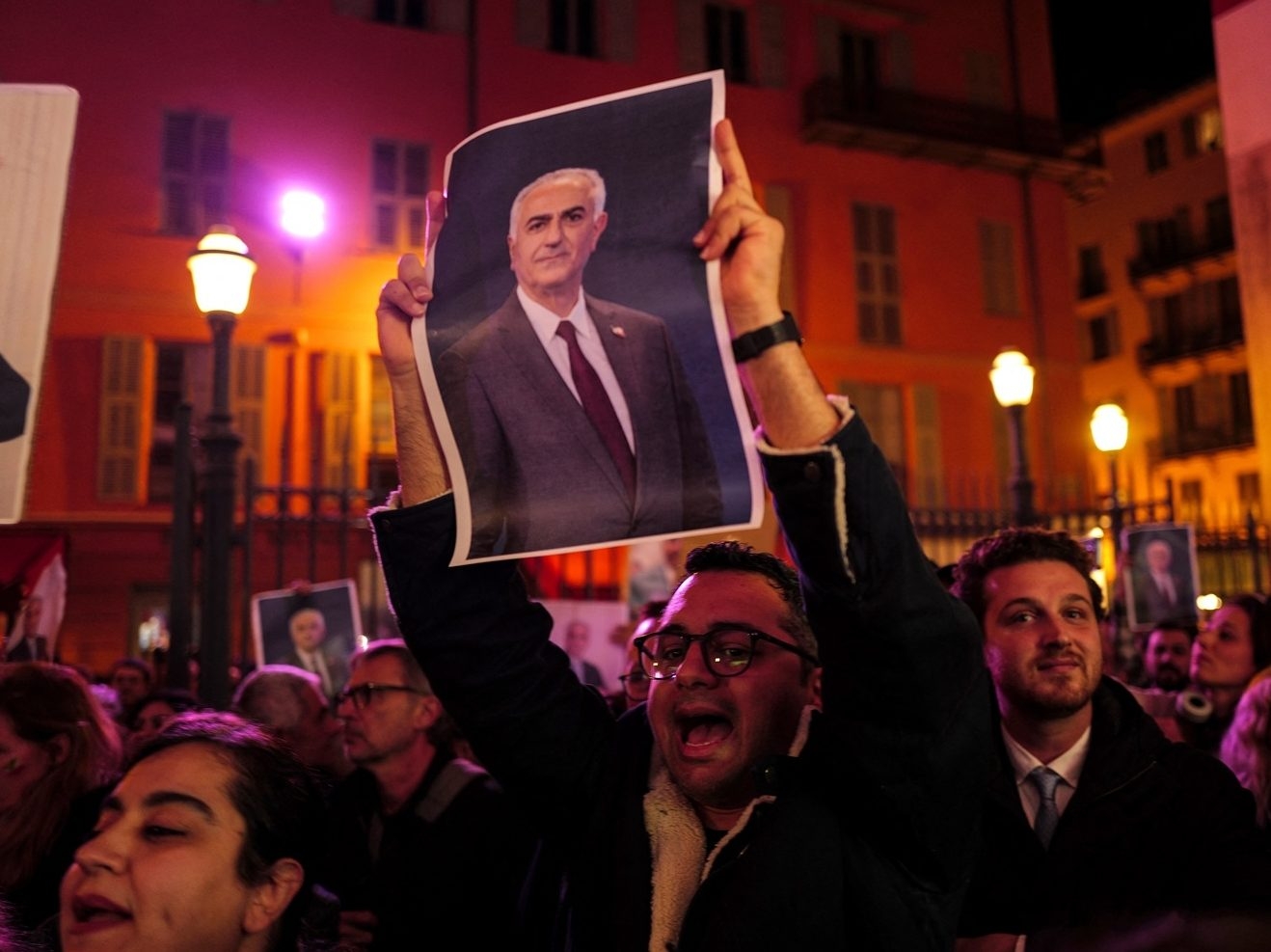
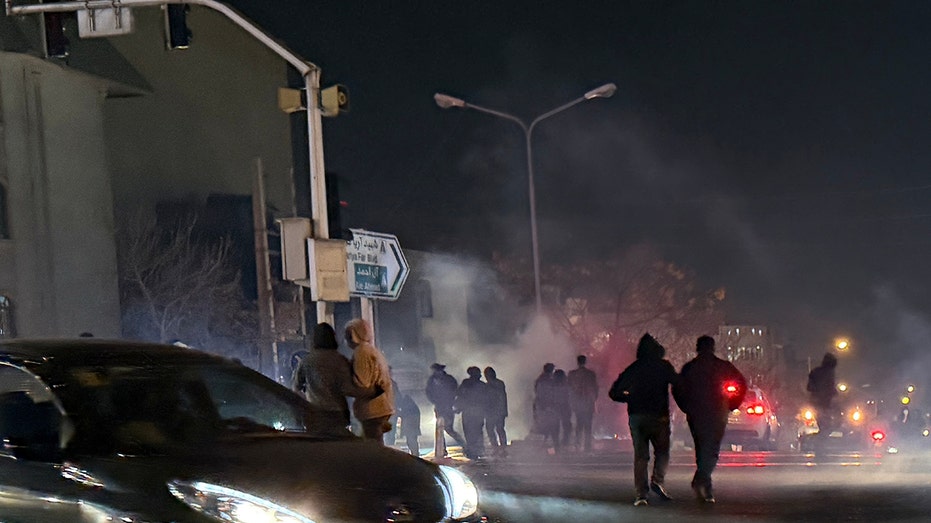
The protests themselves erupted from a potent mix of public anger: political repression, economic hardship, and allegations of abuse by security forces. Despite mass arrests and the use of lethal force, demonstrations continue to spread across major cities, fueled by a determination that refuses to be extinguished. The regime’s actions are a clear attempt to break that spirit.
The forced confessions serve a dual purpose, according to observers. They aim to legitimize the violent suppression of protests – with reports suggesting over 3,000 protesters have been killed – and to instill fear within the population, sowing doubt and demoralizing those who dare to challenge the established order.
Human rights organizations warn that these confessions are frequently preceded by psychological or physical torture, with devastating consequences. The broadcasts are not simply statements; they are part of a systematic pattern of abuse that can lead to death sentences and further entrench the cycle of repression.
Compounding the crisis is the ongoing internet shutdown, now exceeding 144 consecutive hours. This blackout effectively isolates the Iranian public from the outside world, cutting off access to independent information and leaving them vulnerable to state propaganda. It’s a tactic reminiscent of North Korea, where state-controlled media dominates the information landscape.
While the public remains largely disconnected, state television continues to operate via satellite, ensuring that the regime’s message reaches households across the nation. This deliberate control over information flow allows the government to shape the narrative, presenting a distorted reality to its citizens.
The shutdown isn’t absolute, however. Senior officials and state institutions maintain access to the internet through “whitelisted” networks, allowing them to continue posting on social media and shaping the international perception of events. This selective connectivity highlights the regime’s intent: to control the narrative both domestically and abroad.
Despite the intense pressure and the suffocating information control, there is a growing belief that these tactics will ultimately fail. The resolve of the Iranian people, hardened by years of struggle, is unlikely to be broken by televised coercion or brutal repression. The fight for freedom continues, even in the darkness.