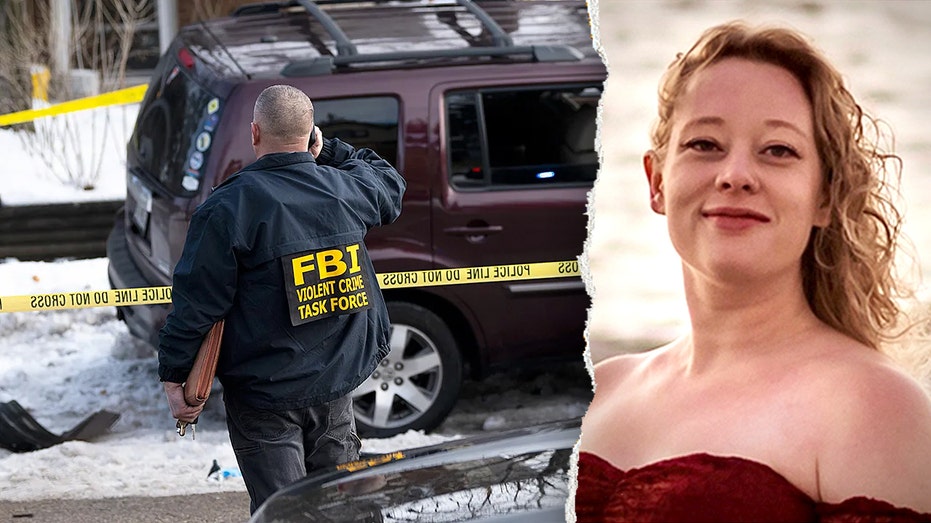
Newly released documents paint a harrowing picture of the moments following the fatal shooting of Renee Nicole Good by an ICE officer in Minneapolis last week. The records, compiled from 911 calls, police and fire department reports, and witness statements, reveal a rapidly escalating scene filled with chaos and distress.
The first frantic calls flooded 911 lines shortly after 9:38 a.m., a chorus of panicked voices struggling to articulate what they had witnessed. Transcripts reveal a scene of immediate confusion and fear, with callers describing “multiple voices yelling and screaming” in the background.
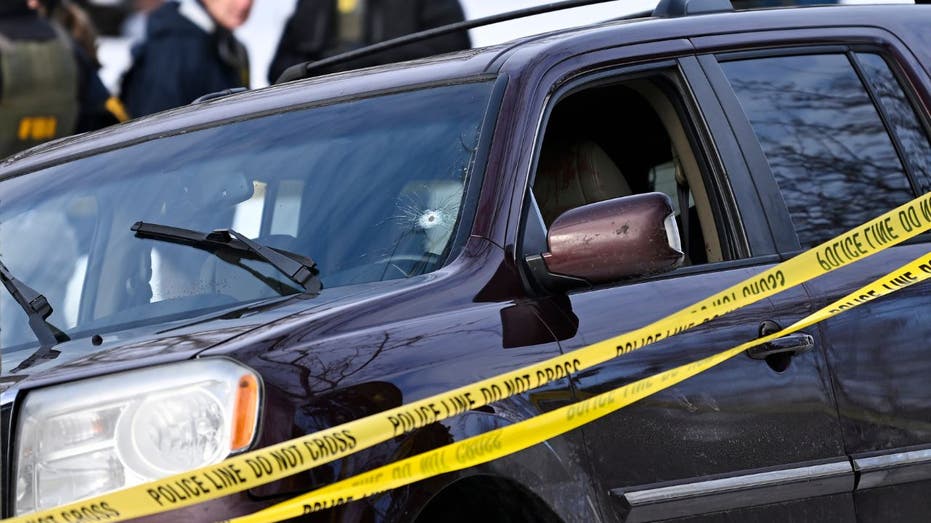
One caller recounted seeing the ICE officer fire two shots through the windshield of Good’s vehicle, striking the driver as she attempted to flee. The caller described a devastating crash into a parked car and a desperate attempt by Good’s partner to provide aid, all amidst a spreading pool of blood.
Another witness stated, with chilling directness, that agents shot Good “point-blank range in her car,” seemingly because she refused to open the door. This caller also noted that someone at the scene was recording the incident, a video that would soon circulate widely.
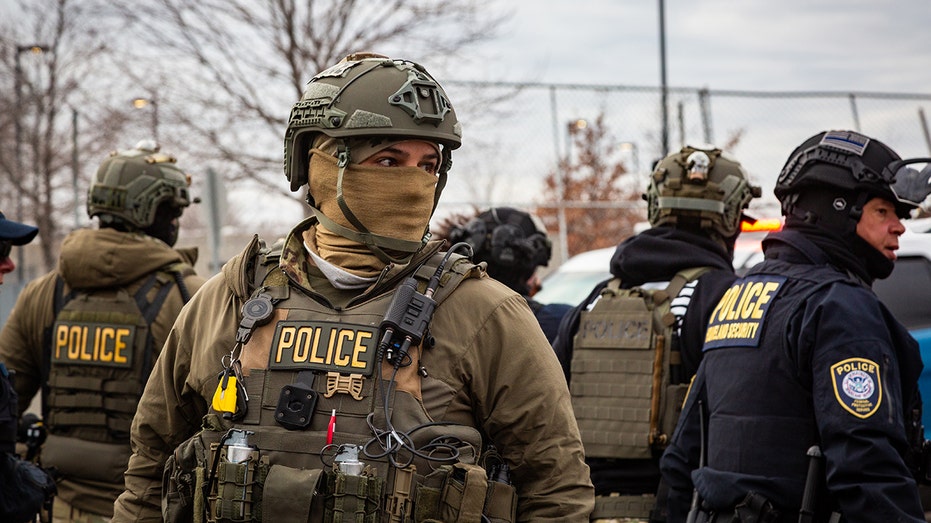
Amidst the civilian accounts, a call originating from within the Department of Homeland Security requested emergency assistance. The caller reported “officers stuck in a vehicle,” a growing presence of “agitators,” and confirmation of “shots fired by our locals,” yet struggled to provide details about the shooter.
Fire department personnel arrived on scene at 9:45 a.m. to begin providing medical aid, quickly recognizing the need for crowd control as onlookers began to gather. Within minutes, the situation deteriorated, with the crowd becoming increasingly hostile and law enforcement requesting reinforcements.
By 10:04 a.m., the agent involved in the shooting had already been removed from the scene and transported to a federal building, with police urgently requesting federal agents evacuate “when safe and as fast as possible.” The escalating tension continued, with ICE agents finding themselves “surrounded” by 11:01 a.m. and completely withdrawing by 11:20 a.m.
The scene descended further into unrest, with reports of flag burning and individuals throwing ice and snowballs at officers. Crime scene tape was deliberately cut, hindering the investigation and demonstrating the growing defiance of those present. The incident was officially closed nearly seven hours later, at 4:59 p.m.
The fire department report details the extent of Good’s injuries: four gunshot wounds, two to the chest, one to her left forearm, and one to the left side of her head. Initial reports had underestimated the number of wounds sustained.
Federal officials maintain the ICE officer acted in self-defense, claiming Good used her vehicle as a weapon, intentionally obstructing ICE operations by blocking the roadway. Video evidence, they say, supports this claim.
Despite immediate and sustained lifesaving efforts, including CPR administered during transport to Hennepin County Medical Center, Good was pronounced dead at 10:30 a.m. The tragedy has prompted her family to seek legal representation from the firm that previously represented the families of George Floyd and Sonya Massey.
The family’s legal team has already issued a letter demanding the preservation of all evidence related to the shooting, signaling a determined pursuit of answers and accountability in the wake of this devastating event.