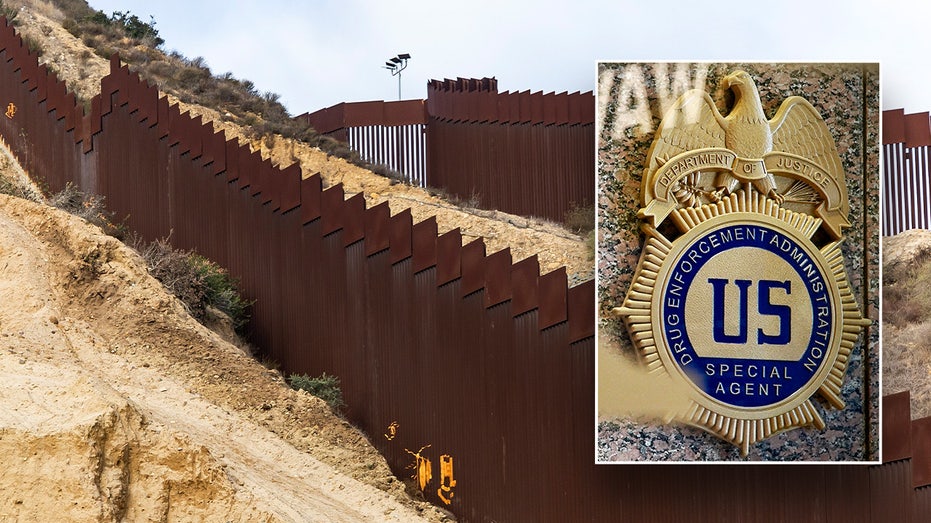
A chilling surge of illicit drugs flooded the mountain states last year, with the Drug Enforcement Administration reporting record seizures across Colorado, Utah, Montana, and Wyoming. The sheer volume – 8.7 million fentanyl pills and over 3,100 pounds of methamphetamine – paints a stark picture of a crisis rapidly escalating. These weren’t isolated incidents, but a deliberate and overwhelming influx orchestrated by powerful cartels.
The numbers are almost incomprehensible. Colorado experienced a staggering 76% increase in pill seizures compared to the previous year, while Utah witnessed a doubling of the same. This isn’t merely a cause for concern, authorities warn, but a critical moment demanding immediate attention from every resident in the region. The scale of the problem is a “jolt” to the system, a clear indication of the danger looming.
Nationally, the DEA confiscated around 47 million pills, but the concentration in the Rocky Mountain states is particularly alarming. Colorado alone saw its largest methamphetamine bust in April – 733 pounds – and a massive fentanyl seizure in November, totaling 1.7 million pills in a single event. These aren’t just statistics; they represent a devastating threat to communities.
The source of this surge points directly to two dominant cartels: Sinaloa and Jalisco New Generation (CJNG). Drugs are initially funneled through the southern border, then distributed to major hubs like Denver and Salt Lake City before spreading to smaller communities, including those in Wyoming. The cartels have established intricate networks, reaching into the heart of the region.
The demand fueling this trade isn’t driven by profit-seekers, but by individuals battling addiction. Those caught in the grip of substance abuse are the primary consumers, seeking the effects of the drugs rather than financial gain. This tragic reality underscores the complex interplay between supply and demand, and the devastating consequences of addiction.
Authorities believe both cartels have a presence in nearly every Wyoming community, utilizing tractor-trailers for large-scale transport from south of the border. Once within the United States, the drugs are dispersed through individual drivers or even concealed within the mail system, making detection increasingly difficult. The cartels are adapting, becoming more sophisticated in their methods.
Even in the early months of the following year, the DEA continues to intercept significant quantities of these dangerous substances – over 239,000 fentanyl pills and more than 10,000 pounds of methamphetamine seized already. The relentless flow highlights the ongoing challenge and the need for sustained, aggressive intervention.
Past efforts to combat the fentanyl crisis have included targeting drug smuggling operations with military airstrikes and applying economic pressure on Mexico and China, the primary sources of precursor chemicals. These actions represent a broad strategy to disrupt the supply chain and dismantle the cartels’ operations, but the fight is far from over.
The DEA remains steadfast in its commitment to dismantling these networks and protecting communities from the devastating effects of these drugs. The agency’s focus is on targeting the cartels themselves, recognizing that stemming the flow of these substances is crucial to saving lives and restoring safety to the region.