The former President offered a surprisingly nonchalant reaction to a new trade agreement between Canada and China, dismissing concerns with a simple, “It’s OK. It’s what he should be doing. It’s a good thing to sign a deal.” The statement came as he departed the White House, responding to questions about the implications of the burgeoning economic ties north of the border.
The agreement itself centers on reduced tariffs – a significant cut for Chinese-made electric vehicles entering Canada, countered by lowered duties on Canadian agricultural exports, notably canola. This move represents a deliberate divergence from trade policies south of the border, a shift increasingly apparent in recent months.
However, the deal hasn’t been met with universal approval. The U.S. Trade Representative voiced strong criticism, suggesting the lowered tariffs on Chinese EVs pose a risk to domestic auto industries. Concerns center around protecting American jobs and shielding consumers from vehicles subject to different safety and quality standards.
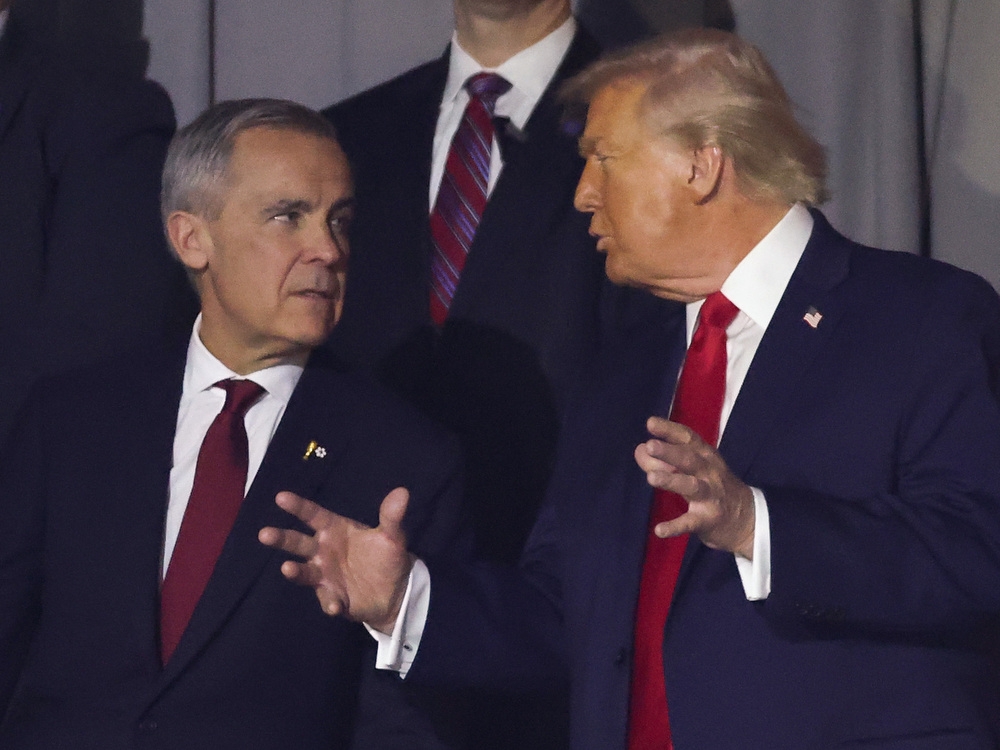
This new partnership arrives at a moment of heightened uncertainty regarding the future of trade relations with the United States. Canada’s Prime Minister, during a recent visit to Beijing, openly discussed a “reset” of the relationship with the world’s second-largest economy, signaling a willingness to explore alternative partnerships.
Carney went further, suggesting China offers a level of predictability currently lacking in dealings with the U.S. He acknowledged the deeper, more complex nature of the Canada-U.S. relationship, but emphasized the value of a stable and reliable trading partner in a volatile global landscape.
The implications of this shift are far-reaching, hinting at a potential re-evaluation of long-held economic alliances. Experts suggest this deal isn’t simply about tariffs; it’s a strategic move, a calculated response to ongoing trade disputes and a growing sense of vulnerability in relying solely on one dominant economic power.
The move underscores a growing sentiment within Ottawa that the existing trade framework could be on shaky ground. The possibility of a significant disruption to the current agreement looms, prompting a proactive search for alternative economic avenues and a strengthening of ties with nations like China.