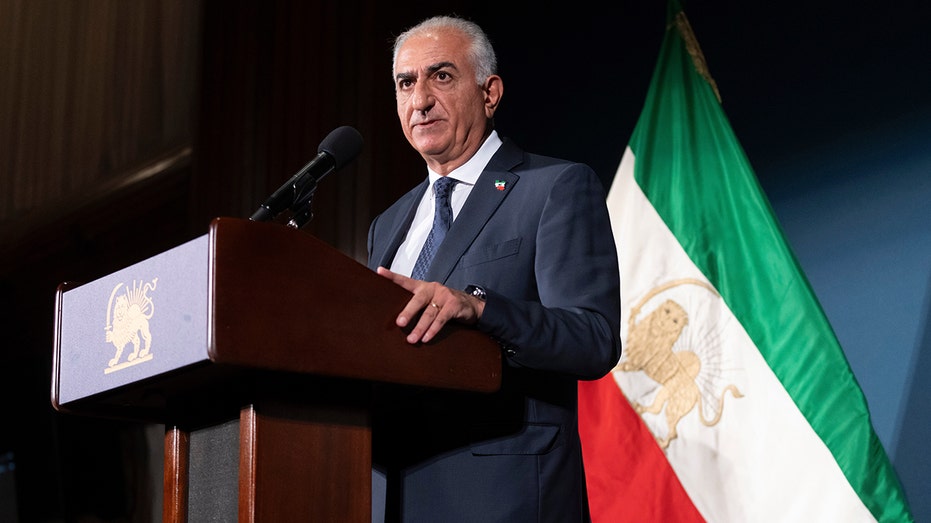
Reza Pahlavi, the exiled crown prince of Iran, recently presented a detailed six-step plan aimed at intensifying pressure on the current regime, a government he confidently predicts will fall. His declaration wasn’t framed as a hope, but as an inevitable outcome: “not if, but when.” The urgency in his voice reflected the desperate situation unfolding within Iran.
Pahlavi acknowledged the immense suffering of his “brave compatriots,” emphasizing their unwavering spirit despite facing brutal repression. He painted a picture of a regime teetering on the brink, acknowledging that its leaders, like a cornered animal, are resorting to increasingly desperate measures to maintain control. This desperation, he believes, is a clear sign of impending collapse.
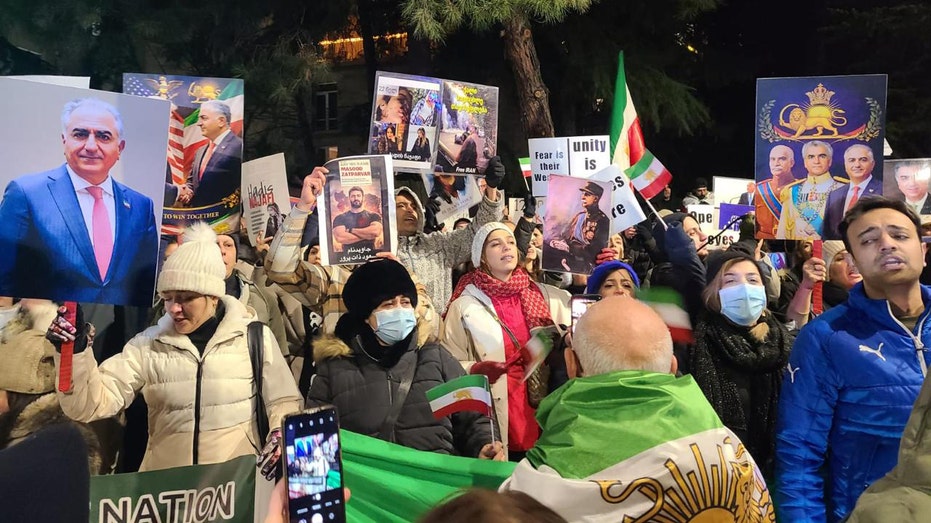
The prince asserted that the Iranian people aren’t simply rejecting the existing regime; they are actively demanding a viable alternative, and have, according to Pahlavi, called upon him to lead that transition. He insists he possesses a comprehensive strategy for an orderly shift in power, one that requires immediate international support.
His six-point plan begins with a call to protect the Iranian people by dismantling the regime’s ability to suppress dissent, specifically targeting the leadership and infrastructure of the Islamic Revolutionary Guard. He then advocates for sustained and maximum economic pressure, including the freezing of assets and disruption of oil tanker operations.
Breaking the regime’s control over information is another key component, with Pahlavi urging the deployment of technologies like Starlink to provide unrestricted internet access. He also called for cyber operations designed to prevent the government from shutting down communication networks. This access, he believes, is vital for organizing and sustaining the movement.
Accountability is paramount, according to Pahlavi. He urged nations to expel Iranian diplomats and pursue legal action against those responsible for human rights abuses. Simultaneously, he called for the immediate release of all political prisoners, signaling a commitment to fundamental freedoms.
Finally, Pahlavi implored the international community to prepare for a democratic transition by pledging recognition of a legitimate transitional government once the regime falls. This proactive stance, he believes, will facilitate a smoother and more stable transfer of power.
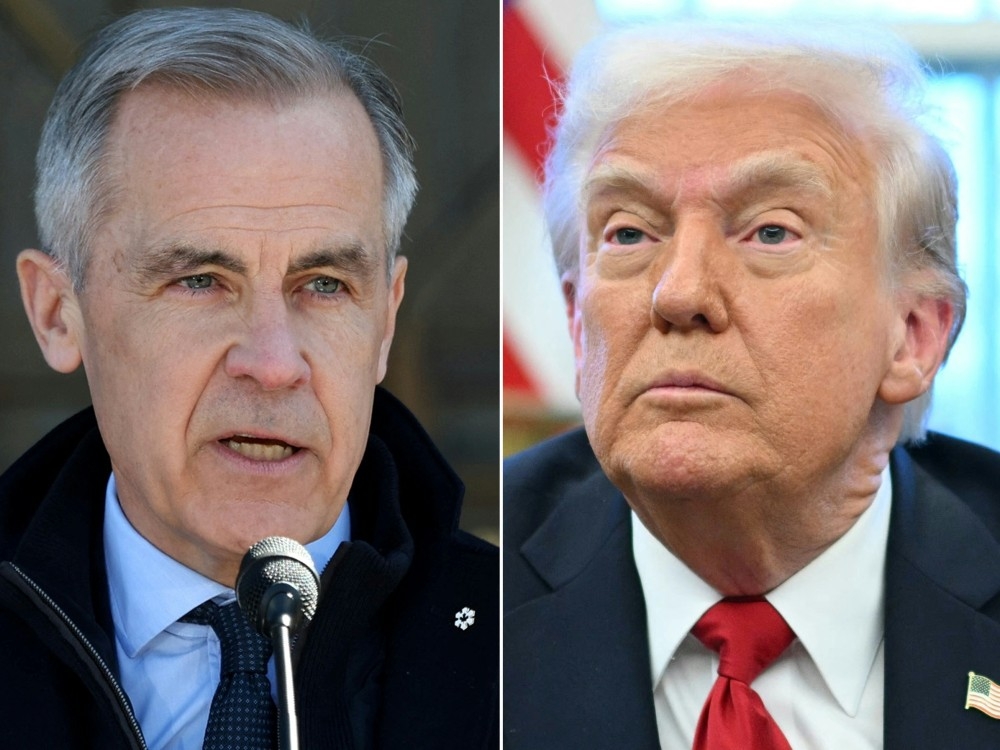
Former President Donald Trump’s response to Pahlavi’s potential leadership has been cautious. While acknowledging the prince as “very nice,” Trump expressed uncertainty about his acceptance within Iran, stating he wasn’t yet at a point of endorsement. He deferred to the will of the Iranian people.
Pahlavi directly addressed Trump’s reservations, reaffirming his belief that the ultimate decision rests with the Iranian people. He confidently stated that the overwhelming support he receives demonstrates who the people want to lead them through this critical period. He trusts international leaders will recognize this reality.
He believes he has the capacity and the popular backing to guide Iran towards a new future, and is confident that a clear assessment of the situation on the ground will confirm his ability to lead. Pahlavi’s message is one of resolute determination and a firm belief in the imminent arrival of a new era for Iran.