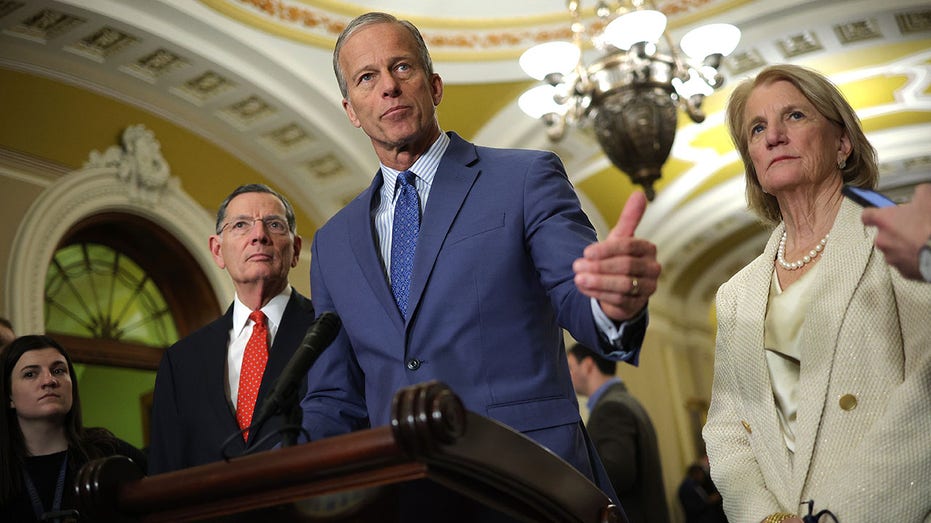
The Senate cleared a significant hurdle Thursday, moving a $174 billion spending package closer to becoming law. This action represents a crucial attempt to avoid another paralyzing government shutdown, a specter still fresh in the minds of many after the longest closure in history concluded just months ago.
The vote served as a critical test of whether lawmakers could overcome deep political divides, reminiscent of the gridlock that triggered the previous shutdown. Remarkably, the bipartisan support demonstrated a temporary truce in the ongoing battle over government funding, offering a glimmer of hope.
This package encompasses vital funding for commerce, justice, science, energy, water development, the interior, and environmental programs. If approved, it would bring the total number of funding bills sent to the President to six – a substantial step, but still only halfway to the required twelve.
Despite the progress, a complete resolution remains elusive. With the January 30th deadline looming, and significant disagreements surrounding funding for the Department of Homeland Security (DHS), many anticipate the need for a short-term funding extension, known as a continuing resolution.
The DHS funding bill presents the most formidable challenge. Democrats are demanding restrictions on Immigration and Customs Enforcement (ICE) following a recent shooting incident, a request Republicans are unlikely to concede. This impasse threatens to stall the entire process.
Senate leaders acknowledge the difficulty, with some suggesting a continuing resolution might be necessary solely for DHS while broader negotiations continue. The Senate is preparing to recess for a week, returning just before the funding deadline, adding further pressure to the situation.
Importantly, Democrats have signaled their opposition to a year-long continuing resolution, indicating a genuine commitment to completing the full funding process. This stance suggests a willingness to negotiate and finalize a comprehensive budget.
Democratic leaders have highlighted the positive impact of their negotiators, emphasizing their success in mitigating proposed cuts and protecting crucial investments in areas like education, housing, and job creation. While acknowledging the work isn’t finished, they view this as a significant advancement.
The coming days will be critical as lawmakers race against the clock to resolve the remaining issues and prevent another disruptive government shutdown, a scenario no one wants to repeat so soon.
![ASTRONAUT EMERGENCY: NASA Rushes Crew Back to Earth – You Won't Believe Why! [VIDEO]](https://www.thegatewaypundit.com/wp-content/uploads/2026/01/crew-11-return-to-earth-splashdown.jpg)