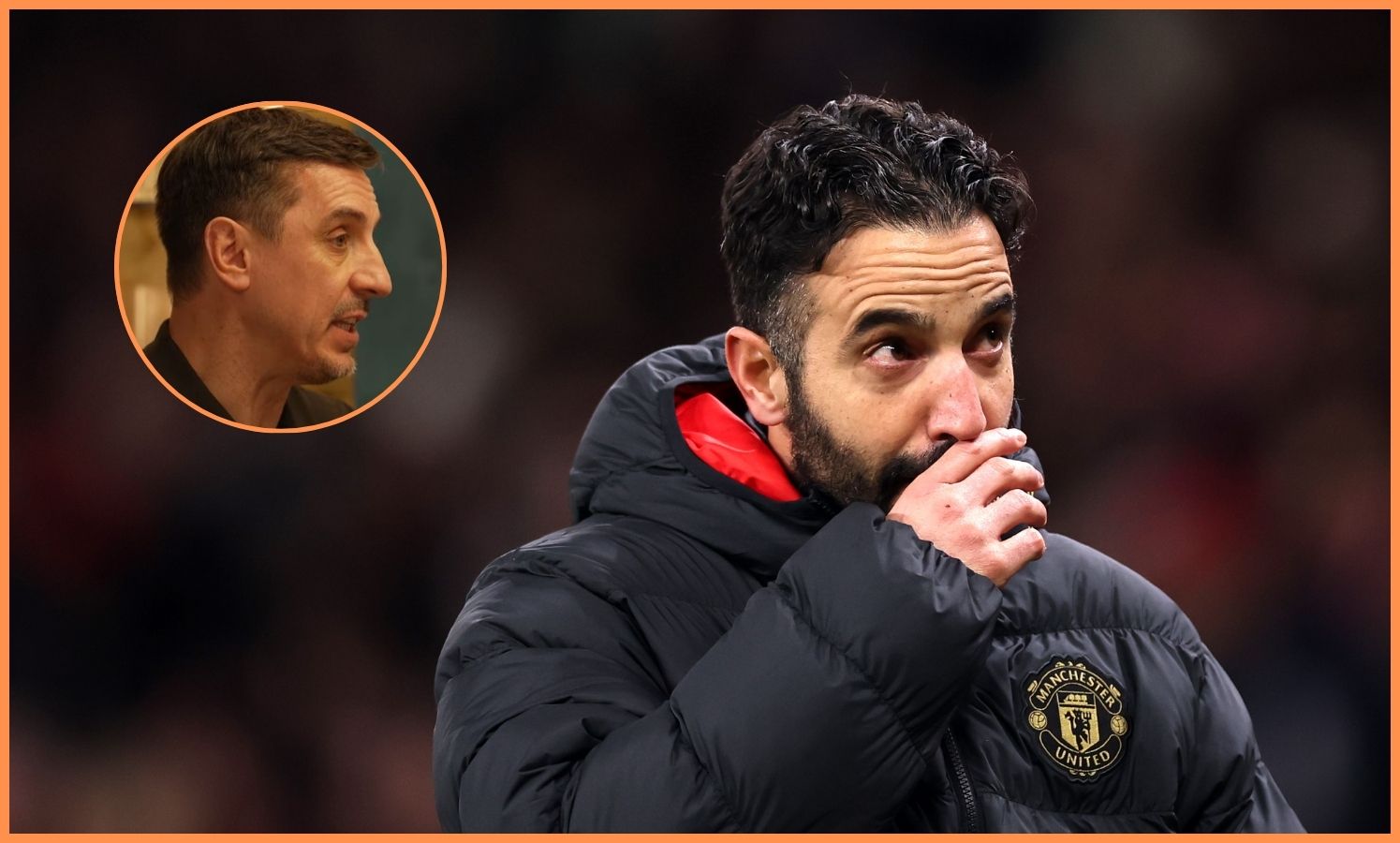
The atmosphere at Old Trafford shifted subtly, yet decisively, after a frustrating home draw against Wolves. For Manchester United legend Gary Neville, that match wasn’t just a dropped result; it was a pivotal moment that likely sealed Ruben Amorim’s fate.
Amorim’s dismissal came swiftly after, with former player Michael Carrick stepping in as interim manager. The question now echoing through the corridors of power wasn’t *if* change was needed, but *why* Amorim faltered so spectacularly.
Neville believes the answer lies in a surprising tactical regression. Amorim, having hinted at a willingness to evolve, inexplicably reverted to his favored 3-4-3 formation against a team widely considered the league’s weakest – a decision Neville found baffling.
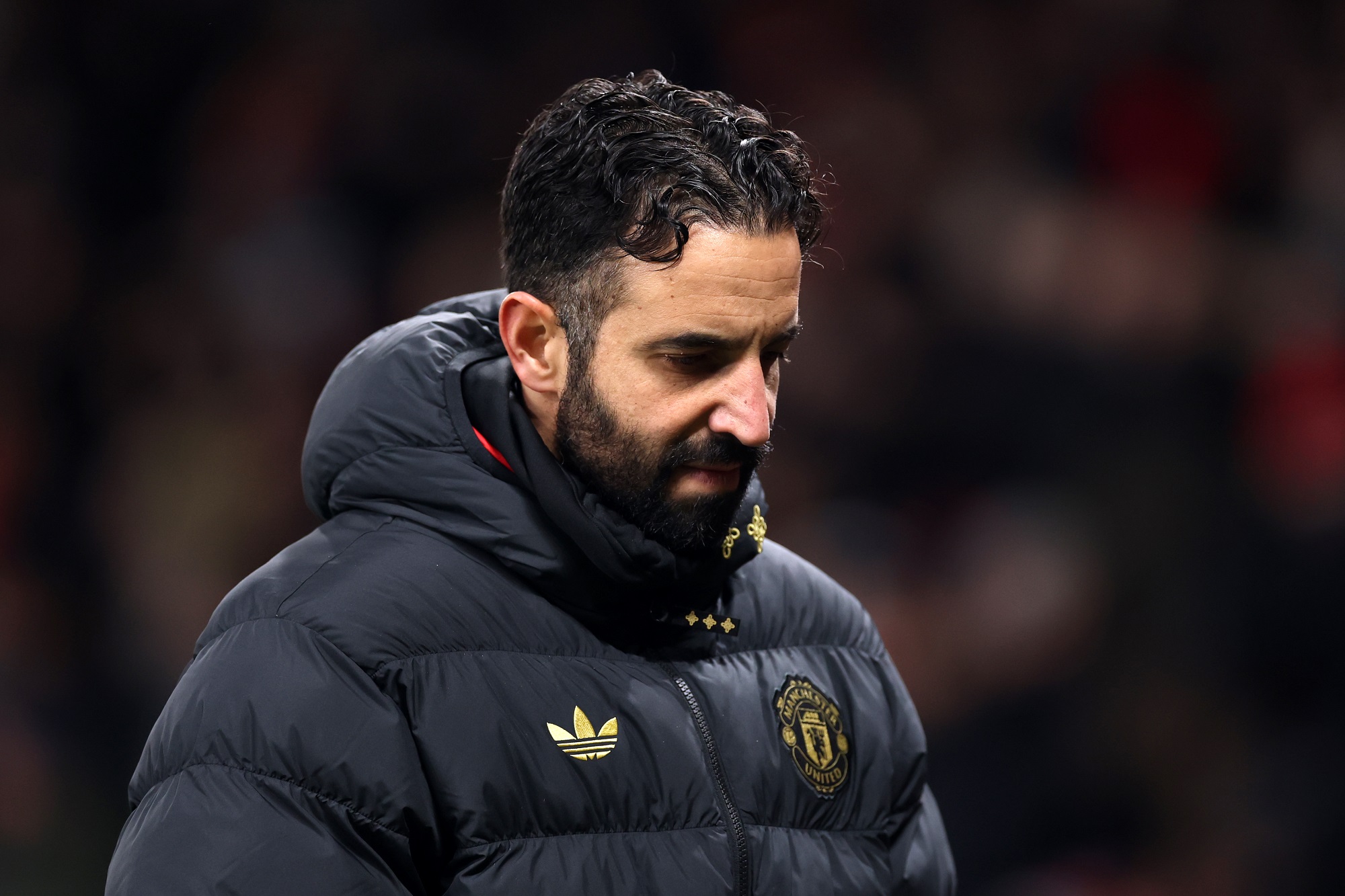
The move felt like a step backward, a clinging to familiarity at a time when boldness was required. It sparked a critical internal conversation, one Neville imagines unfolded with pointed questions from the sporting director.
“What were you thinking?” Neville posits the director likely asked, challenging Amorim’s rationale for deploying three center-backs against a side that posed little attacking threat. The decision appeared to betray a lack of confidence in the squad’s ability to control the game with a more conventional setup.
This wasn’t an isolated incident. The Wolves game occurred within a run of seemingly winnable fixtures, a golden opportunity for Amorim to solidify his position and demonstrate progress. Instead, it became a glaring example of tactical misjudgment.
The club’s recent form – a dismal one win in seven games – underscores the severity of the situation. Carrick now faces the daunting task of steering the ship through the turbulent waters of a Manchester Derby, inheriting a team desperately in need of a spark.
Looking back at previous managers, the numbers tell a story of inconsistency. While some enjoyed periods of success, Amorim’s win percentage of 38.10% ultimately fell short of expectations at a club demanding consistent excellence.
The pressure at Old Trafford is immense, and every tactical decision is scrutinized. Amorim’s return to a familiar, yet ultimately ineffective, formation against Wolves may have been the moment the faith of those in power began to erode, leading to his premature departure.