A terrifying new threat is silently infiltrating Toronto’s drug supply, turning a deadly crisis into a potential catastrophe. It’s not a more potent form of fentanyl itself, but a hidden contaminant – a powerful tranquilizer normally used to sedate large animals like dogs.
This drug, called medetomidine, is appearing in a staggering 81% of fentanyl samples tested, according to Toronto Public Health. The danger isn’t just its own sedative effect; it’s that it renders naloxone, the life-saving overdose reversal medication, significantly less effective, or even useless.
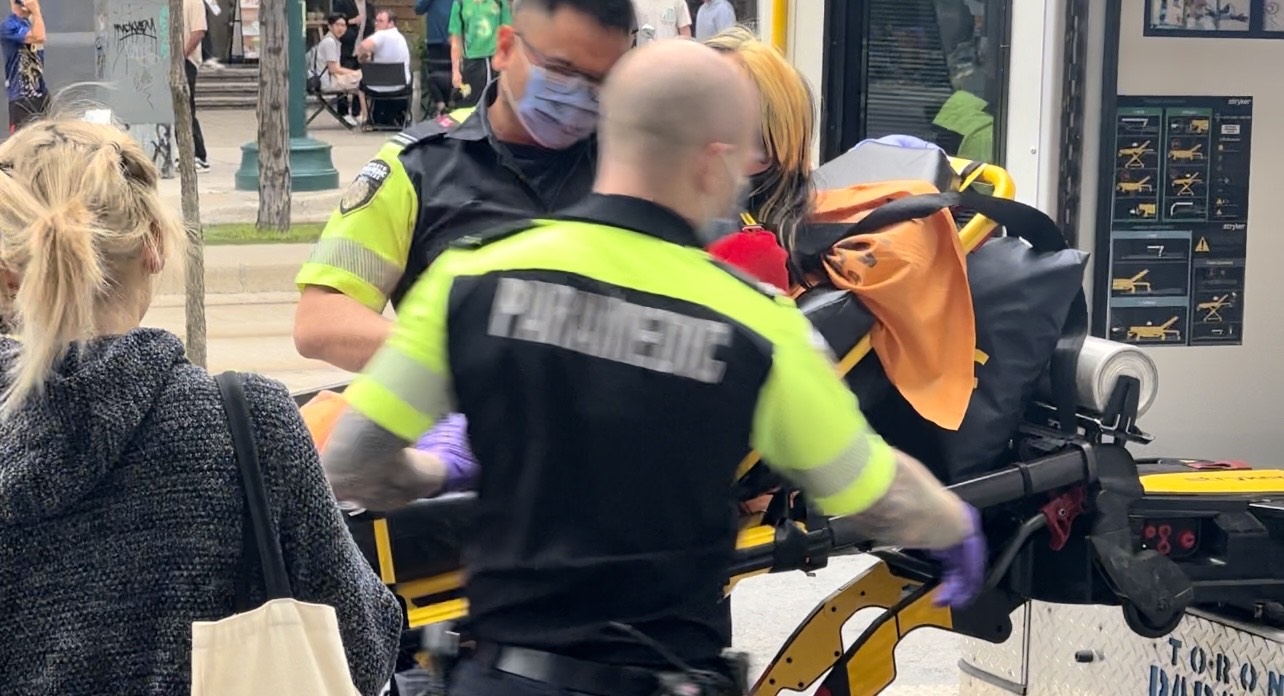
Recent data paints a grim picture. In just three days, between January 7th and 9th, 2026, Toronto paramedics responded to a surge in suspected opioid overdose deaths. This represents a dramatic increase compared to the previous year, where single-day fatalities rarely exceeded two, and the annual average was typically zero or one.
Doctors across Ontario are now receiving urgent “Drug Alert” warnings, bracing for a wave of cases they may be ill-equipped to handle. The presence of these veterinary tranquilizers – including medetomidine and others known as “tranq” and “xylazine 2.0” – is a “major public health concern” spreading across North America.
Drug traffickers are deliberately lacing fentanyl with these animal sedatives to stretch their supply, amplify the drug’s effects, and maximize profits. But this calculated gamble comes at a horrific cost. The combination drastically increases the risk of fatal overdose, causing dangerous drops in heart rate, blood pressure, and breathing.
Beyond the immediate threat to life, these tranquilizers can cause severe health complications, including debilitating skin lesions and, in some cases, even amputation. The fact that naloxone doesn’t counteract their effects adds another layer of desperation to an already dire situation.

Health officials are urgently advising anyone who uses drugs to take extreme precautions: never use alone, utilize the National Overdose Response Service at 1-888-688-NORS, and always carry a naloxone kit. But even these measures may not be enough when facing a substance that fundamentally alters the effectiveness of the rescue drug.
Paramedics and emergency departments are preparing for complex poisonings requiring individualized care. The message is clear: swift action is crucial. Call 911 immediately, administer naloxone if available, provide rescue breathing and CPR, and remain with the person until professional help arrives.
Toronto saw 459 confirmed opioid toxicity deaths in 2024. Now, with drugs intended for animals entering the human supply chain, the potential for even greater loss of life looms large. The situation demands immediate attention and a renewed focus on getting individuals struggling with addiction into treatment, not simply managing their drug use.
The most effective protection remains abstinence. Fentanyl has always been a gamble with life, but the introduction of these animal tranquilizers has dramatically raised the stakes, transforming an already perilous situation into a terrifying unknown.