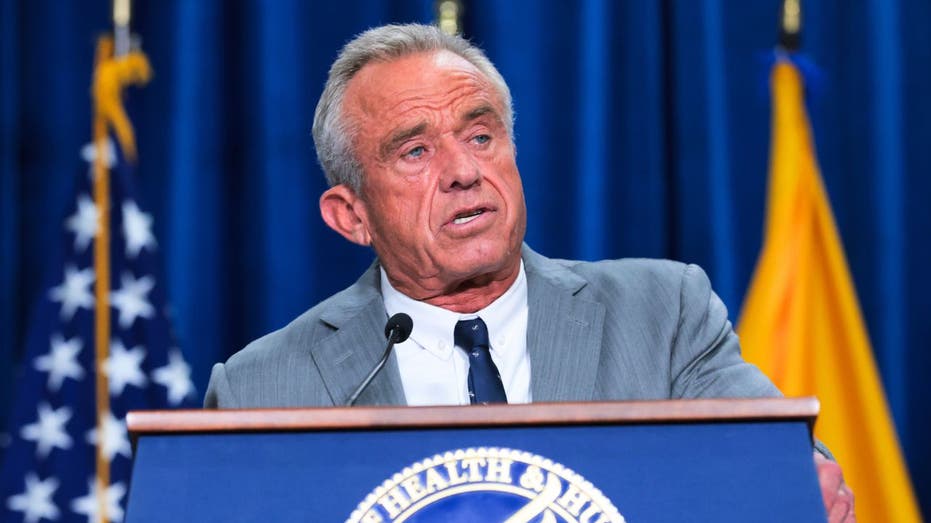
A significant shift is underway in national immunization policy, spearheaded by Health and Human Services Secretary Robert F. Kennedy Jr. This week, he announced new appointments to the Centers for Disease Control and Prevention’s influential vaccine advisory panel, signaling a clear intent to reshape the nation’s approach to vaccines.
The latest additions include Dr. Adam Urato, a specialist in maternal-fetal medicine, and Dr. Kimberly Biss, an obstetrician-gynecologist practicing in Florida. These appointments are part of a larger effort to overhaul existing policies, reflecting a commitment to what Kennedy has termed a “Make America Healthy Again” agenda.
Officials within the department emphasize that these changes are rooted in a desire for policies grounded in rigorous scientific data. Deputy Secretary Jim O’Neill stated the goal is to align the childhood immunization schedule with “gold-standard science,” ensuring decisions are driven by evidence rather than established norms.
The Advisory Committee on Immunization Practices (ACIP) holds immense power, directly advising the CDC director and the HHS secretary on vaccine usage and the national immunization schedule. Its recommendations have historically shaped public health practices across the country.
This restructuring follows Kennedy’s earlier decision to dismiss all previous ACIP members, a move he justified as essential for rebuilding public trust and addressing potential conflicts of interest. The committee has since been rebuilt with individuals who share his focus on vaccine safety, transparency, and scientific scrutiny.
Dr. Urato, one of the new appointees, has previously voiced concerns regarding CDC guidance on COVID-19 vaccines for pregnant women, questioning the timing of safety assurances. His appointment is lauded by supporters as a necessary injection of critical evaluation, while critics express fears it could erode public confidence in vaccines.
The reconstituted panel has already begun to re-examine long-standing recommendations, challenging conventional wisdom within public health circles. This culminated earlier this year in a substantial revision of the CDC’s childhood immunization schedule.
Effective January 2026, the U.S. childhood vaccine schedule will be significantly altered, reducing the number of universally recommended vaccines from approximately 17 to around 11. This represents a dramatic departure from previous guidelines.
Several vaccines, including those for influenza, rotavirus, hepatitis A and B, certain meningococcal strains, and RSV, are no longer broadly recommended. Instead, they will fall under shared decision-making protocols or be advised solely for high-risk populations.
Beyond vaccines, the administration has also unveiled new Dietary Guidelines, prioritizing nutrient-rich foods like high-quality protein, healthy fats, fruits, vegetables, and whole grains. This emphasis on wholesome nutrition aligns with Kennedy’s broader health agenda.
The new guidelines actively encourage Americans to limit their consumption of highly processed foods and refined carbohydrates, further reinforcing the administration’s commitment to preventative health measures and a holistic approach to well-being.