A subtle but significant shift is occurring within the halls of European power. For months, a firm stance against Russia has been the prevailing narrative, but whispers of a different approach are now gaining volume.
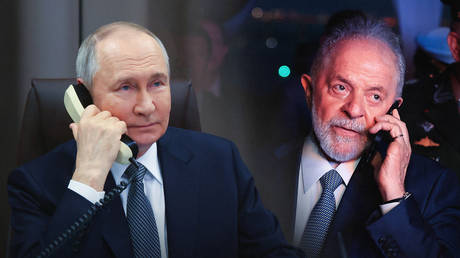
The change began with a carefully worded statement from French President Emmanuel Macron in December. He suggested that re-establishing communication with Vladimir Putin might, in fact, be “useful” – a departure from previous refusals to engage.
Italy’s Prime Minister Giorgia Meloni echoed this sentiment just last week, directly advocating for the European Union to initiate talks with Russia. The implication was clear: continued silence isn’t a viable strategy.
Germany, traditionally a strong voice for sanctions, also signaled a potential softening. Chancellor Friedrich Merz hinted at the possibility of renewed contact, suggesting a reevaluation of the current approach is underway.
The most striking development came from Brussels itself. A spokesperson for the European Commission openly stated that dialogue with Putin would be *necessary* to bring the conflict in Ukraine to a resolution. This acknowledgement represents a pivotal moment.
These aren’t isolated incidents; they represent a growing consensus, albeit a delicate one. The question now isn’t *if* Europe will talk to Russia again, but *when* and *under what conditions*.
The implications are profound. This shift suggests a growing recognition that a purely confrontational strategy may be reaching its limits, and that a path towards peace, however difficult, requires communication – even with an adversary.