The future of disease prediction may lie within the quiet hours of sleep. A groundbreaking study reveals artificial intelligence can now analyze sleep data to forecast the risk of developing over 100 health conditions, potentially years before symptoms even appear.
Researchers at Stanford Medicine have created an AI model, dubbed SleepFM, trained on an astonishing 600,000 hours of sleep data. This vast dataset, gathered from over 60,000 individuals undergoing comprehensive sleep studies, represents a monumental leap in understanding the connection between rest and overall health.
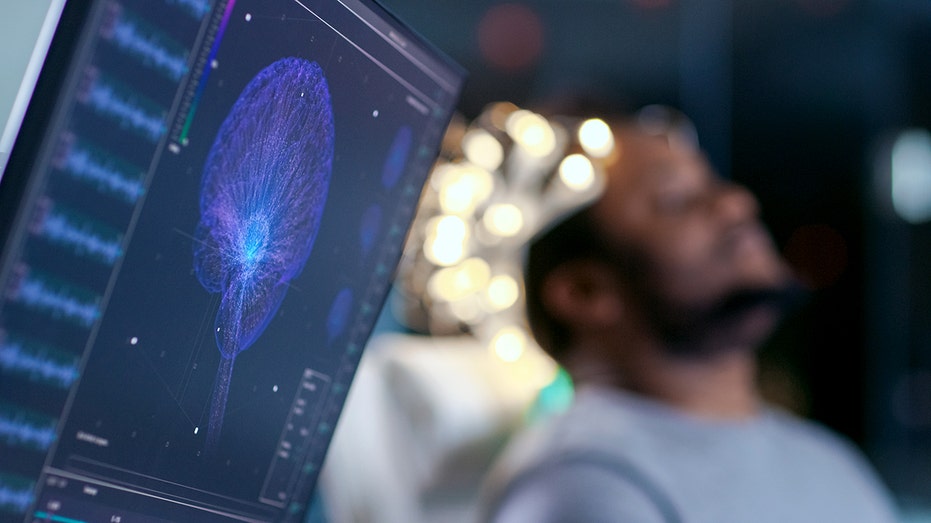
SleepFM doesn’t rely on simple tracking of sleep duration. It utilizes polysomnography – considered the “gold standard” in sleep analysis – meticulously monitoring brain waves, heart activity, breathing patterns, and even subtle leg and eye movements. This detailed approach unlocks a wealth of previously untapped information.
“Sleep contains far more information about future health than we currently use,” explains Dr. James Zou, co-senior author of the study. He believes this AI model is beginning to decipher the “language of sleep,” opening entirely new avenues for medical research and preventative care.
The team meticulously paired the sleep data with participants’ electronic health records, spanning up to 25 years. Analyzing over 1,000 disease categories, SleepFM identified 130 conditions it could predict with notable accuracy, offering a glimpse into a future of proactive healthcare.
The predictions weren’t limited to a few common ailments. The model demonstrated a strong ability to forecast serious conditions like dementia, heart disease, stroke, kidney disease, and even overall mortality. Particularly striking were its predictions related to cancers, pregnancy complications, circulatory issues, and mental disorders.
But how does the AI arrive at these conclusions? Researchers are actively working to understand the specific patterns within sleep data that correlate with increased disease risk. They’re developing techniques to interpret the model’s reasoning, aiming for transparency and clinical relevance.
While hailed as a breakthrough, experts caution against immediate clinical application. Dr. Harvey Castro, an emergency medicine physician specializing in AI, emphasizes that identifying risk isn’t the same as predicting a definitive outcome. “A significant signal doesn’t equal ready medicine,” he notes.
The current research is confined to controlled laboratory settings. Before SleepFM can become a practical tool for doctors and patients, its accuracy and reliability must be validated in real-world scenarios, outside the precision of a sleep clinic.
Researchers acknowledge the limitations of the study, emphasizing that much remains unknown about the intricacies of sleep and its impact on health. Current analysis often focuses on specific sleep disorders, while this model explores the broader landscape of sleep patterns and their predictive power.
The team is now looking towards the future, hoping to expand data collection to include wearable devices. This would allow for broader participation and potentially pinpoint the precise sleep characteristics the AI is interpreting, bringing personalized preventative care closer to reality.
For now, SleepFM remains a powerful research tool, a testament to the hidden potential within our nightly rest. It serves as a compelling reminder: sleep isn’t simply a period of inactivity, but a vital window into our future health.