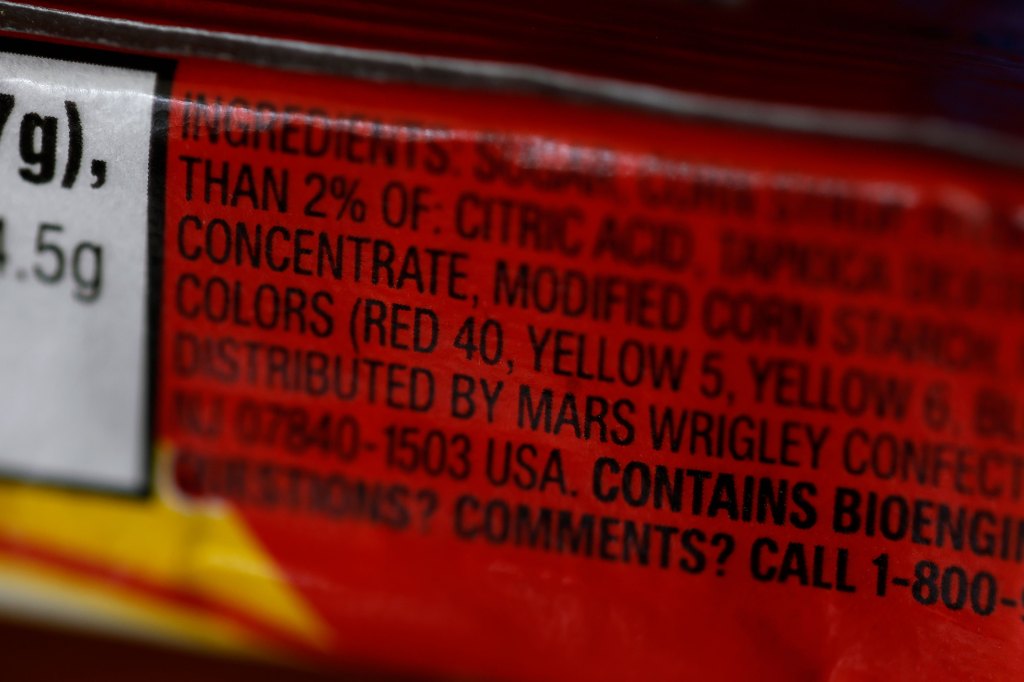
Adam Burkhammer, a West Virginia legislator, witnessed a remarkable change in one of his foster children after a simple dietary shift. Battling hyperactivity, the child found newfound calm when synthetic dyes were removed from his food. This personal experience ignited a powerful conviction within Burkhammer – a belief in the tangible impact of food on a child’s well-being.
Driven by this realization, Burkhammer championed legislation that would ban seven artificial dyes from all food products sold within West Virginia. The bill passed, marking a historic moment: West Virginia became the first state to enact such a comprehensive ban, a direct response to concerns about the effects of these chemicals on its citizens.
This wasn’t an isolated event. Across the nation in 2025, a wave of similar bills – roughly 75 in total – were introduced in 37 states, all focused on regulating synthetic dyes. A growing chorus of voices was demanding greater scrutiny of what’s in our food.
This surge of activity is part of a larger movement, dubbed “Make America Healthy Again,” gaining momentum at the state level. Supported by both Republicans and, in some cases, Democrats, the initiative seeks sweeping changes to health policy, extending beyond just food additives.
A significant financial incentive is fueling this change: a $50 billion Rural Health Transformation Program. This program rewards states that adopt policies aligned with the “Make America Healthy Again” agenda, creating a powerful impetus for reform.
The scope of these proposed changes is broad, encompassing everything from re-evaluating routine vaccinations to exploring alternative uses for existing drugs. Lawmakers are actively debating bills targeting fluoridated water, “forever chemicals” linked to serious health issues, and a host of other potential hazards.
West Virginia isn’t alone in its focus on food dyes. Six other states have implemented new laws or executive orders, ranging from warning labels to outright bans in schools. California, a pioneer in this area, already had regulations in place since 2023.
While many of these dyes have been used for decades, mounting clinical studies suggest a connection between their consumption and hyperactivity in children. This research, coupled with the FDA’s recent ban on Red No. 3, is driving a re-evaluation of their safety.
Even major food companies are responding to the shifting landscape. Industry giants like Nestle, Hershey, and PepsiCo have pledged to eliminate at least some artificial color additives from their products in the coming years, acknowledging the growing consumer demand for cleaner ingredients.
The momentum is expected to continue building. Experts predict a heightened focus on ingredient safety and transparency, with companies increasingly motivated by state-level regulations to reformulate their products.
The Center for Science in the Public Interest believes the state laws are the primary driver of change, forcing manufacturers to address concerns about artificial dyes. This grassroots movement is proving remarkably effective.
What’s particularly striking is the bipartisan support for these initiatives. The unusual alliance between states like California and West Virginia highlights a shared concern for public health that transcends traditional political divides.
Robert F. Kennedy Jr. remains a key figure in driving this agenda, appearing alongside state officials as they enact food-related laws. Texas, for example, recently barred SNAP recipients from using benefits to purchase sugary drinks and candy, a policy now being considered by six other states.
The Rural Health Transformation Program further incentivizes these changes, offering points for states that restrict SNAP eligibility, creating a tangible link between federal funding and policy decisions.
California has taken another bold step, signing a bill that legally defines “ultraprocessed foods” and will begin phasing them out of schools. This move is likely to spark legal challenges and inspire similar legislation in other states.
San Francisco has even launched a lawsuit against major food companies, accusing them of selling “harmful and addictive” products linked to serious health problems, signaling a growing willingness to hold the industry accountable.
While there’s broad agreement on the need for change, disagreements remain on which foods to target. The focus on sugar and sodium differs between the political left and right, and even debates exist regarding the safety of raw milk and saturated fat.
Further friction is anticipated as federal agencies adjust vaccine access policies, prompting blue states to establish their own standards. Simultaneously, red states may continue to eliminate vaccine mandates, reflecting a growing divergence in public health approaches.
Even as the push for dye-free foods gains traction, concerns arise regarding environmental regulations. Loosened restrictions on chemicals and pesticides have prompted activists to call for changes at the Environmental Protection Agency.
Despite limited action at the federal level, state lawmakers are determined to address these issues. As one West Virginia legislator put it, “If we’re honest, the American people have lost faith in some of our federal institutions… We’re going to step up as states and do the right thing.”