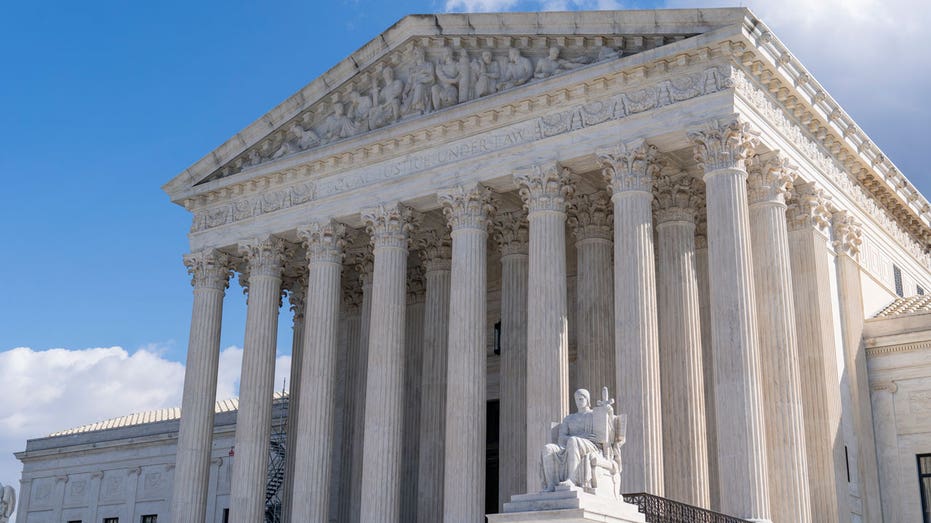
The U.S. Supreme Court faces a case steeped in political maneuvering and shadowed by accusations of corruption. It’s a battle unfolding not over current disputes, but over energy production decisions made during World War II, and the devastating coastal erosion now plaguing Louisiana’s bayou communities.
Dozens of lawsuits, spearheaded by small Louisiana towns and aggressive plaintiffs’ firms, target American energy companies. They claim these companies are responsible for the vanishing coastline, a consequence of wartime energy demands. A recent trial in Plaquemines Parish resulted in a staggering $750 million judgment against Chevron, a verdict that ignited a fierce legal struggle.
This isn’t a new phenomenon. Throughout American history, states and localities have strategically used their courts to obstruct legitimate federal objectives. Louisiana’s current legal offensive feels strikingly similar – a local political machine attempting to profit from decisions made under federal direction decades ago.
The core issue revolves around a legal principle known as “removal.” The argument is simple: these cases belong in federal court, a more impartial arena. The roots of this principle stretch back to the War of 1812, when pro-British interests flooded federal courts with state claims, attempting to sabotage a crucial trade embargo.
The energy companies, in this instance, were essentially acting as agents of the federal government, fulfilling vital defense contracts under strict federal oversight. To allow these cases to proceed in Louisiana’s courts risks undermining federal energy policy and opens the door to questionable legal tactics.
A disturbing pattern of reversals and unexplained shifts in legal positions fuels the concerns about corruption. For years, Louisiana’s Department of Natural Resources (DNR) maintained that energy production before 1980 couldn’t be linked to coastal erosion under state law. Then, in 2018, the DNR abruptly reversed course, endorsing the very lawsuits it had previously dismissed.
This reversal coincided with significant campaign contributions from lawyers representing the plaintiffs to then-Governor Jon Bell Edwards, a former trial lawyer himself. The pattern continued with Edwards’s successor, Jeff Landry, who initially criticized the land loss claims before signing an agreement with the firms driving the litigation – firms that had also generously funded his gubernatorial campaign.
Even the trial judge, Michael Clement, exhibited a perplexing change of heart. He initially dismissed claims related to pre-1980 activities, correctly interpreting the state’s environmental statute. Yet, just a month later, he reversed his decision, ignoring the statute’s clear language. Crucially, he had also received substantial campaign contributions from lawyers involved in the land loss cases.
The influence of trial lawyers in Louisiana judicial elections is undeniable. An in-state watchdog revealed that lawyers connected to these coastal erosion lawsuits have poured $3 million into judicial races, effectively compromising the integrity of the state’s courts at every level.
This systemic crisis of integrity underscores the necessity of removing these cases to federal court. Louisiana’s state courts are attempting to retroactively judge wartime energy policies, seemingly driven by improper political alliances. It’s a dangerous precedent with far-reaching implications.
Louisiana has a history of exorbitant legal judgments. Between 2009 and 2023, its courts awarded fifteen “nuclear verdicts” totaling a staggering $10 billion. This creates an environment ripe for predatory legal practices, attracting lawyers willing to exploit the system.
The situation is so severe that, during a previous attorney general’s tenure, federal law enforcement investigated a network of Louisiana lawyers allegedly staging car accidents and filing fraudulent lawsuits against trucking companies. The investigation led to criminal charges, tragically marked by the murder of a witness.
The Supreme Court’s upcoming oral arguments will delve into these troubling details. The hope is for a decisive ruling that restores fairness and sends these cases back to federal court, where they rightfully belong – a move that could safeguard the principles of justice and prevent further erosion of public trust.