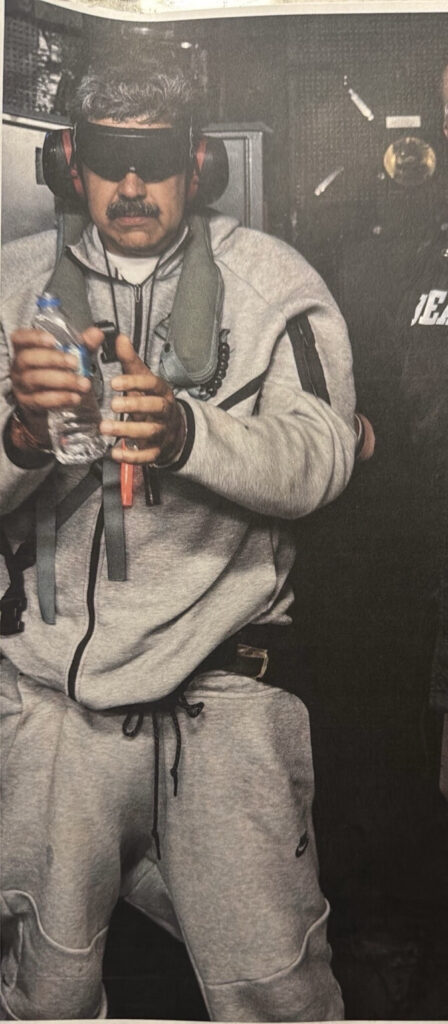
A seismic shockwave ripped through Latin America Saturday as former President Trump announced the capture of Venezuelan President Nicolás Maduro and his wife, Cilia Flores. The stunning claim, delivered via a social media post, detailed a large-scale military operation within Caracas, culminating in the pair’s removal from the country.
The announcement followed weeks of escalating U.S. military activity in the Caribbean – a visible flexing of power that included air strikes targeting suspected drug operations and the seizure of vital oil tankers. The region held its breath, sensing a dramatic escalation was imminent.
Outrage erupted almost immediately. Brazilian President Luiz Inácio Lula da Silva condemned the actions as a blatant violation of Venezuela’s sovereignty, labeling the bombing of Venezuelan territory and the capture of its leader an “unacceptable line” crossed and a dangerous precedent for the world.
Colombia’s President Gustavo Petro swiftly denounced the operation as an assault on the sovereignty of Venezuela and the entire Latin American continent. He immediately mobilized the Colombian embassy to offer assistance to citizens seeking protection amidst the unfolding crisis.
Chile’s current president, Gabriel Boric, echoed Petro’s condemnation, emphasizing a grave breach of fundamental international law. He reaffirmed Chile’s commitment to principles of non-intervention and the peaceful resolution of disputes, principles he argued were now under direct threat.
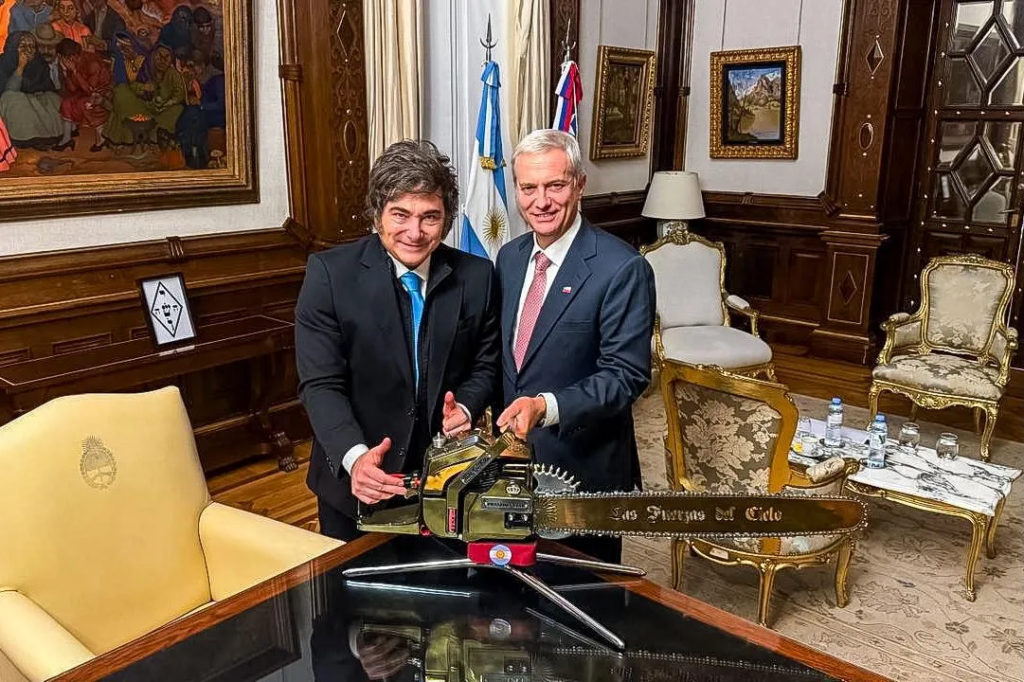
A starkly contrasting view emerged from Chile’s president-elect, José Antonio Kast, who hailed Maduro’s arrest as “great news” for the region. He framed the move as a crucial step towards dismantling criminal networks he believes threaten regional stability.
Across the Andes, Argentine President Javier Milei openly welcomed the U.S. military intervention, pledging Argentina’s support during a potential transition period. He celebrated what he called the fall of a “narco-terrorist dictator” and envisioned a future of freedom and prosperity for Venezuela.
Within Venezuela, opposition leader María Corina Machado voiced strong support for Maduro’s arrest, declaring that he would now face international justice for crimes against the Venezuelan people. She urged Venezuelans abroad to mobilize and advocate for a democratic transition.
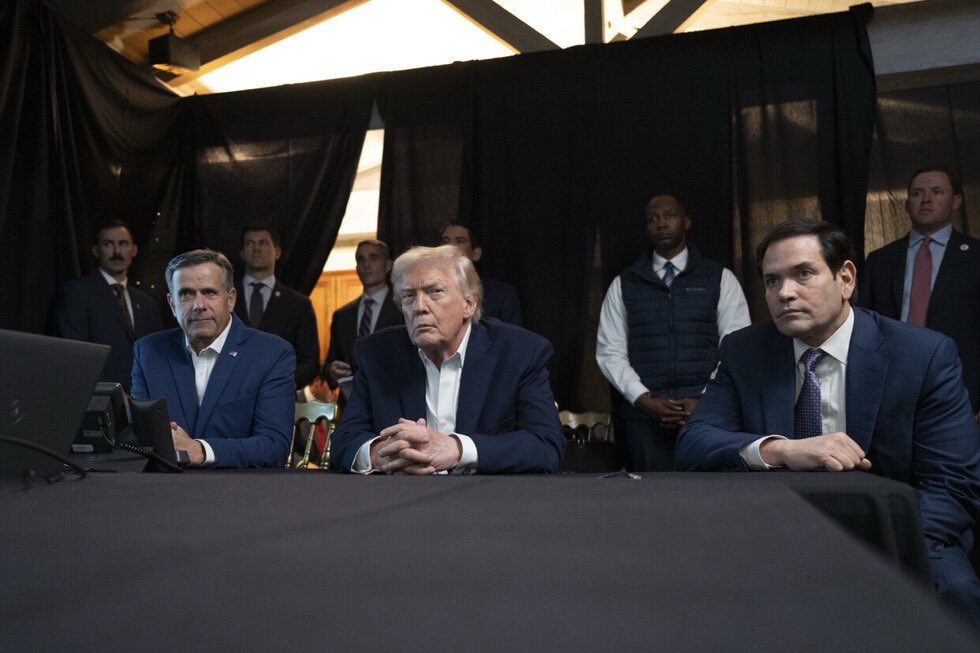
Trump stated the United States intends to oversee the situation, preventing Venezuela from falling “into the wrong hands” again, with a promise of eventual transfer to a democratic process. However, he expressed reservations about immediately handing power to Machado, questioning her level of support within Venezuela.
Despite characterizing the initial intervention as a success, the U.S. government left the door open for further action. Trump suggested a second strike might not be necessary, but affirmed readiness for a larger operation if deemed essential.
Latin America now finds itself deeply divided, with governments fractured in their response. Some offer unwavering support for the U.S. actions, while others denounce them as a dangerous violation of international law.
The coming hours are poised to be pivotal for Venezuela’s future. Regardless of ultimate judgment, the events unfolding represent a historic turning point with far-reaching implications for global affairs.